Snow Farm Vineyard is Vermont’s first commercial vineyard and winery, founded in 1996 on a 140-acre family farm in South Hero on the Champlain Islands. It sits right on the shores of Lake Champlain, grows cold-climate grapes in a microclimate comparable to Burgundy, France, and produces everything from crisp whites to one of the few true ice wines made in the United States. For anyone staying along the Champlain Islands or visiting northern Vermont, it is one of the most rewarding day trips in the region.
But here’s the thing. A vineyard in Vermont sounds almost contradictory, right? That’s exactly what makes Snow Farm so fascinating.
A Story That Started With Saving Farmland
The backstory of Snow Farm Vineyard is not your typical winery origin tale. There is no trust-fund purchase or corporate agriculture play here. The project began in 1992 as a passionate effort to keep Vermont’s agricultural land active instead of losing it to residential and commercial development.
The farm itself sits on land that was once owned by Fred Lane, who ran Crescent Bay Farm starting in 1961. By the early 1990s, dairy farms across Vermont were being sold off and converted to commercial properties. When Fred retired in 1996, he sold 20 acres with the requirement that the land stay in agricultural use.
Dave and Julie Lane founded the vineyard in the mid-1990s with the mission of preserving that farmland. The first vines went into the ground in 1997, and the tasting room opened that same year. In 2012, Dave bought back the 20 acres where the vineyard sits, reuniting the full property under one family again.
What started as a conservation effort became Vermont’s pioneering winery. And three decades later, it continues to prove that agriculture and innovation can work hand in hand.
Why the Location Actually Works for Winemaking
Most people do not associate Vermont with vineyards. The winters are brutal. The growing season is short. So how does Snow Farm pull it off?
The vineyard sits on an island in the middle of Lake Champlain, and the microclimate created by the sixth-largest lake in the United States gives Snow Farm a growing season nearly identical to that of Burgundy, France. Lake Champlain moderates temperatures year-round, keeping things slightly warmer in fall and slightly cooler in summer compared to inland Vermont.
That microclimate is surprisingly effective. It allows the vineyard to grow cooler-climate vinifera grapes like Pinot Noir and Riesling alongside hardier French hybrids such as Vidal Blanc and Baco Noir.
And here is where it gets really interesting. Vermont’s cold winter temperatures also allow Snow Farm to produce a genuine ice wine, a product that very few places in the world can make. True ice wine requires grapes to be hand-harvested in freezing conditions, concentrating the sugars and flavors to an intensity that warm-climate wineries simply cannot replicate.
The Wines Worth Trying
Snow Farm Vineyard produces a range of cool-climate wines that reflect Vermont’s unique terroir. Tastings are offered as flights covering everything from dry whites to full-bodied reds and sweet dessert wines. With eight of the nine common styles of wine available, there is genuinely something for every palate.vermont
Here is a quick breakdown of what visitors can expect:
White Wines
Wine
Tasting Notes
Vermont Seyval Blanc
Dry white with citrus and apple aromas, lemon flavor, tart finish
Vidal Blanc
Crisp, bright, versatile cool-climate white
Snow White
Off-dry blend of Cayuga and Seyval grapes
Riesling
Classic cool-climate Riesling with bright acidity
Red Wines
Wine
Tasting Notes
Baco Noir
Medium-bodied, very fruity red table wine
Crescent Bay Red
Mellow, earthy, and fruity with a smooth finish
Leon Millot
Full-flavored French hybrid red
Marquette
Newer cold-hardy variety with deep color and structure
Dessert & Specialty Wines
Vidal Blanc Ice Wine: The crown jewel. Hand-harvested in freezing conditions for high sugar concentration and intense flavor. This is the wine that caught Wine Spectator’s attention.
Fox Hill Maple Dessert Wine: A Vermont twist that combines winemaking with the state’s famous maple tradition.
Late Harvest Vignoles: Rich, honeyed, and complex.
Wine Spectator’s January 2009 Editor’s Choice Edition recognized Snow Farm as one of only five wineries worth noting from the 46 smaller wine-producing states in the country. For a vineyard in Vermont, that kind of national recognition is a huge deal.
Not Just Wines Anymore: The Distillery
Snow Farm has expanded beyond wine. The South Hero winery has moved into the spirits business with Snow Farm Distillery, using some of the 12-acre vineyard’s grape harvest to produce brandies and other spirits.
Rather than composting waste from the winemaking process, the team is now extracting everything possible from their grapes. The distillery’s current lineup includes:
Fortress Red: A port-style wine fortified with house-distilled brandy
Gin: Made with ingredients sourced from neighboring farms
Grappa: Produced from grape pomace (the skins, seeds, and stems left after pressing)
Maple Liquor and Raspberry Liquor: Vermont-inspired specialty spirits
These small-batch products are available exclusively at the winery, and visitors can sample them in the tasting room. That exclusivity alone makes it worth the drive.
Events That Draw Crowds All Year
One thing that sets Snow Farm Vineyard apart from other New England wineries is its event calendar. This is not a “pour and leave” kind of place.
Summer Concert Series (June through early September)
Every Thursday evening from 6:00 to 8:00 PM, Snow Farm hosts live outdoor concerts on the vineyard grounds. The music spans genres, covering everything from jazz and bluegrass to classic rock. Visitors bring picnic blankets, grab a glass of wine (or a local craft beer, because they sell that too), and settle in. The concerts are free to attend.
Winter Wine Downs (November through early March)
Friday evenings during the colder months bring the Winter Wine Downs series, featuring live music and dinner catered by local restaurants. It is a cozy, intimate event that makes Snow Farm a year-round destination instead of just a summer stop.
For visitors looking to make the most of the colder months in the region, the vineyard pairs well with otherwinter activities across the Champlain Valley, from ice fishing and snowshoeing to cozy fireside evenings by the lake.
Harvest Festival
The annual Harvest Festival features grape stomping, wagon ride vineyard tours, live music, a campfire, food trucks, and wine tasting. It is a celebration of the grape-to-glass process, and it is free.
Weddings and Private Events
The vineyard also doubles as a seriously beautiful wedding venue. Snow Farm can accommodate up to 200 seated guests, with ceremony options on top of Fox Hill, next to the grapevines, or directly on the shores of Lake Champlain. The rustic barn connects to the tasting room, and both indoor and outdoor setups are available. The venue carries a 4.8-star rating across more than 200 reviews.
Planning a Visit: What to Know
Here are the practical details for anyone heading to Snow Farm Vineyard:
Detail
Info
Address
190 West Shore Road, South Hero, VT 05486
Phone
(802) 372-9463
Tasting Room Hours
Sun-Thurs: 11am to 5pm, Fri-Sat: 11am to 6pm
Distance from Burlington
About 30 minutes
Summer Concerts
Thursdays, 6-8pm, June through early September (free)
Winter Wine Downs
Fridays, November through early March
On-site Lodging
Snow Farm Inn, 153 West Shore Road
Visitors can also purchase maple syrup from the farm’s own Fox Hill Maple operation at the tasting room.
Why It Pairs Perfectly With a Champlain Islands Stay
For travelers spending time along the Champlain Islands, whether in Alburgh, North Hero, Grand Isle, or South Hero, Snow Farm Vineyard is one of those stops that turns a good vacation into a great one. The vineyard is only a short drive along Route 2, and the entire journey follows the lake. There are no highways, no traffic stress, just water views and farmland on both sides.
Combine a tasting at Snow Farm with a morning at Alburgh Dunes State Park, lunch at one of the island restaurants, and a sunset back at the lake, and that is about as perfect a Champlain Islands day as it gets.
Guests staying atlakefront cottages in Alburgh are only about a 20-minute scenic drive from the vineyard, making it one of the easiest and most rewarding day trips during a Lake Champlain vacation.
The vineyard is not some tourist trap bolted onto a strip mall. It is a working farm with roots going back generations, producing wines and spirits that genuinely reflect the place they come from. And that authenticity is something visitors notice the moment they turn off the main road and start heading down toward the vines.
Frequently Asked Questions
What types of wine does Snow Farm Vineyard produce?
Snow Farm Vineyard produces a wide range of cool-climate wines including dry whites (Seyval Blanc, Riesling, Vidal Blanc), reds (Baco Noir, Marquette, Leon Millot), an off-dry blend called Snow White, and specialty dessert wines including a genuine Vidal Blanc Ice Wine and Fox Hill Maple Dessert Wine. They also operate a distillery producing gin, grappa, maple liquor, and a port-style fortified wine.
Is there a fee to visit the Snow Farm Vineyard tasting room?
The tasting room offers wine flights that cover a range of styles from sweet to dry. Small tastes are offered at the tasting bar, and full tasting flights with a souvenir glass are available for a modest fee. The summer concert series and the annual harvest festival are free to attend.
When is the best time to visit Snow Farm Vineyard?
Summer is the most popular season, with the free Thursday evening concert series running from June through early September. However, Snow Farm is a year-round destination. The Friday night Winter Wine Downs from November through early March offer live music and locally catered dinners, and the fall Harvest Festival is a highlight for anyone visiting during October.
How far is Snow Farm Vineyard from Alburgh, Vermont?
Snow Farm Vineyard in South Hero is approximately a 20-minute drive south from Alburgh along Route 2 through the Champlain Islands. The scenic lakeside drive is part of the appeal, passing through North Hero and Grand Isle on the way.
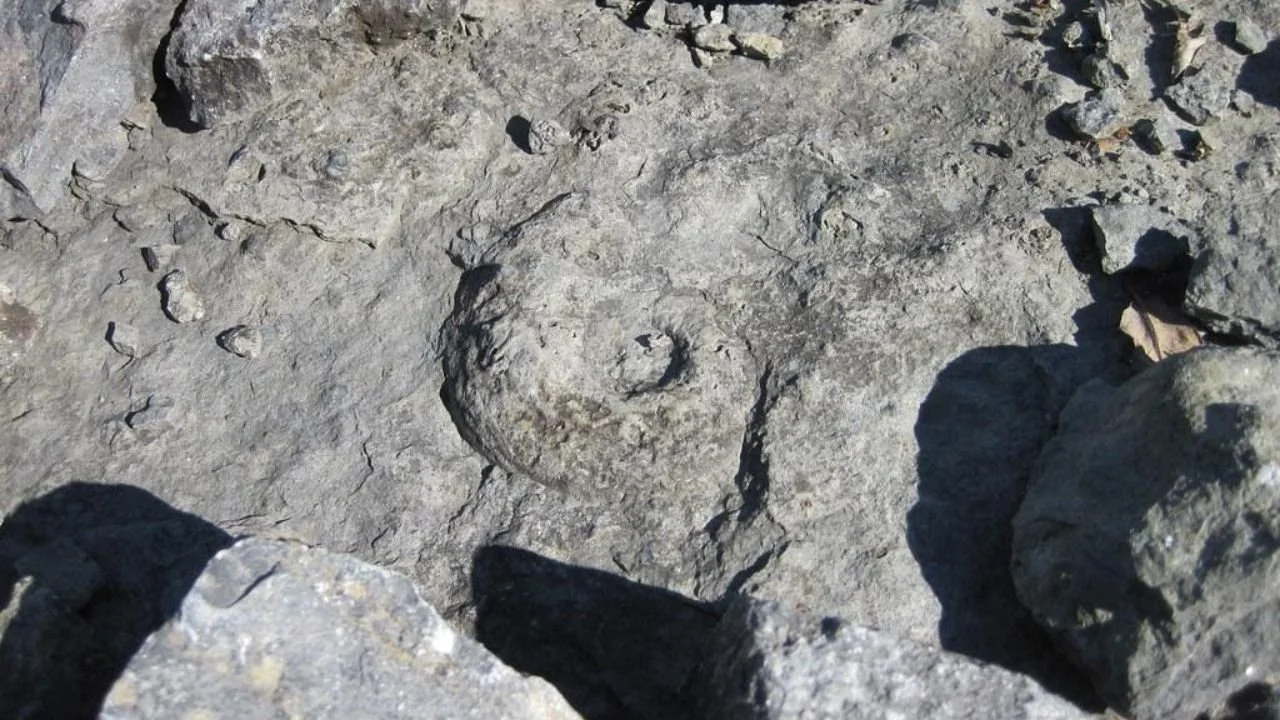
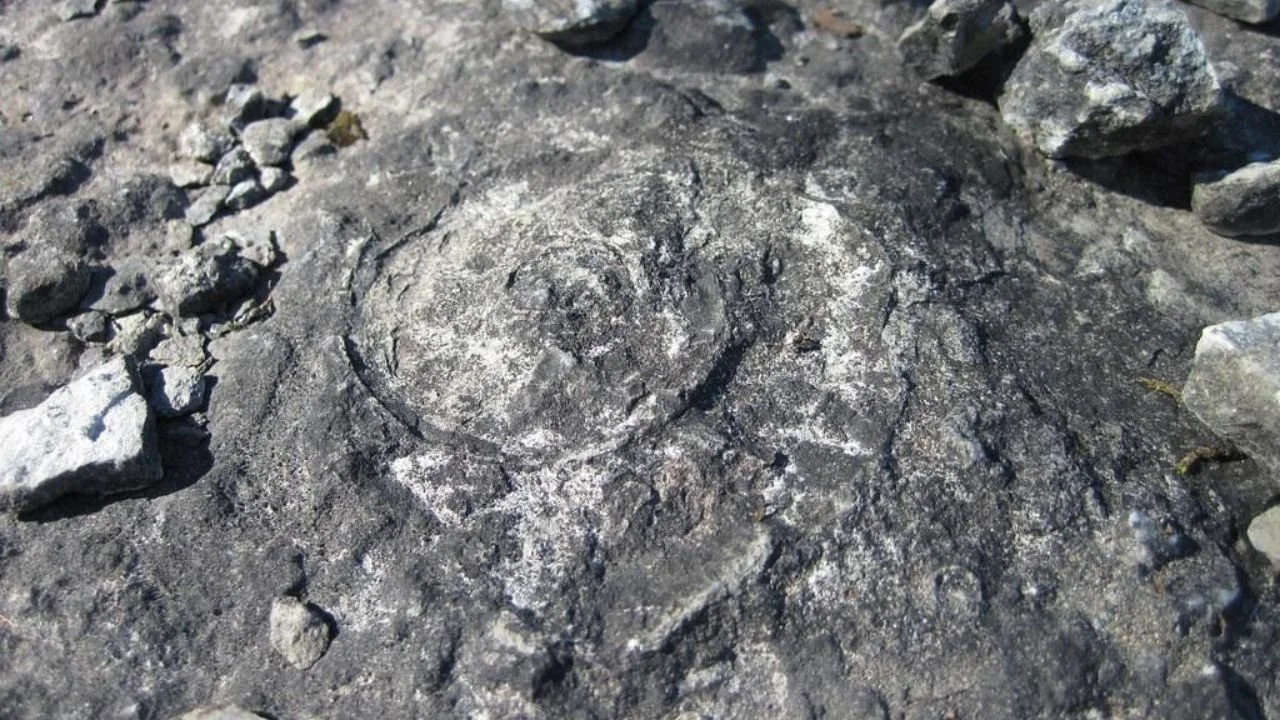
The Fisk Quarry Preserve is a 20-acre protected fossil site on Isle La Motte, Vermont, that contains exposed sections of the Chazy Fossil Reef, one of the oldest known community-built reefs on Earth. Formed roughly 450 to 480 million years ago during the Ordovician Period, the reef has been designated a U.S. National Natural Landmark and draws geologists from around the world who come to study its remarkably intact fossil record. The preserve is open year-round, dawn to dusk, and there is no admission fee.
For anyone staying on Lake Champlain and looking for a day trip that goes beyond beaches and boat launches, this place is something else entirely. It sits just a short drive from Alburgh through the Champlain Islands, and honestly, it is the kind of attraction that catches most people off guard. What looks like a quiet, overgrown quarry at first glance turns out to be a window into a world that existed hundreds of millions of years before dinosaurs even showed up.
A Quick Snapshot of the Preserve
Here’s what visitors should know at a glance:
Detail
Info
Location
4088 West Shore Road, Isle La Motte, VT
Size
20 acres
Age of fossils
Approximately 450 to 480 million years old
Designation
National Natural Landmark (designated May 2009)
Hours
Dawn to dusk, year-round
Admission
Free
ADA accessible
Yes
Managed by
Isle La Motte Preservation Trust
The Geology Behind the Fascination
So why do geologists keep coming back here? The short answer is that this quarry holds exposed layers of the Chazy Fossil Reef, and it is the oldest known reef built by a community of different organisms rather than just a single species. That distinction matters hugely in paleontology. A few older reefs exist elsewhere, but those are single-species structures. The Chazy Reef was the first to show biological diversity, the kind of cooperative, multi-species ecosystem that eventually led to modern reef systems like the Great Barrier Reef (which is only about 8,000 years old by comparison).
Back when this reef was forming, Vermont was nowhere near where it sits today. The land that became Isle La Motte was located south of the equator, submerged beneath the warm, shallow waters of the ancient Iapetus Ocean. Atmospheric carbon dioxide levels were 14 to 16 times higher than they are now.
Over millions of years, organisms like bryozoa, stromatoporoids, and early corals built up the reef structure layer by layer. When those creatures died, their shells accumulated on the ocean floor. Eventually, tectonic forces pushed the whole formation northward and tilted it slightly.
And that tilt is precisely what makes Isle La Motte so valuable. In places like Tennessee, where sections of the same formation exist, the reef lies flatter and is much harder to read. But here, the gentle uplift has exposed different layers of the reef at the surface. Geologists can literally walk across the progression of life from the oldest layers to the youngest. Dr. Charlotte Mehrtens, a geology professor at the University of Vermont who studied the reef for decades, once noted that walking through the Goodsell Ridge portion was similar to snorkeling over the reef 480 million years ago.
What Fossils Can Visitors See?
The Fisk Quarry Preserve is packed with visible fossils, many embedded right in the quarry walls and floors. Here are the key types visitors encounter:
Stromatoporoids - Ancient sea sponges that appear as white forms in the dark quarry walls. These were among the reef’s primary builders.
Gastropods - Spiral-shaped fossils sliced into the black limestone. Some are as big as a playing card; others require a magnifying glass.
Bryozoa - Tiny colonial organisms that stabilized the muddy ocean bottom and helped the reef grow upward.
Cephalopods - Coiled relatives of modern squid and nautilus, some of which grew surprisingly large.
Trilobites - Segmented arthropods that crawled through the reef’s living matrix.
Early corals - While not the dominant reef builders, the Chazy Reef holds the oldest known reef-building corals on the planet. A Harvard geologist in 1924 actually called it “the oldest coral reef in the world,” though modern scientists have refined that to “the oldest reef in which corals first appear.”
That level of diversity in one accessible location is what makes the site irreplaceable for research.
The Quarry’s Industrial Past
Here’s where the story gets even more interesting. Before this place became a preserve, it was an active quarry with a surprisingly famous resume. French soldiers first pulled stone from the site back in 1666 to build Fort St. Anne on the northwest side of the island. English settlers began formal quarrying operations around 1800, and the quarry was eventually owned by Nelson Fisk, who served as Vermont’s lieutenant governor from 1896 to 1898.
The dark limestone from Isle La Motte became commercially famous. The darker variety earned the trade name “radio black” because of its use in Radio City Music Hall. But that was far from the only landmark project. Stone from this quarry went into some of the most recognizable structures in the country:
Brooklyn Bridge
National Gallery of Art in Washington, D.C.
Vermont State Capitol in Montpelier
Michigan State Capitol
Radio City Music Hall in New York
The quarry closed around 1919 and sat dormant for decades. Then in 1995, a small company began cutting stone again, threatening to destroy the fossil record forever. That is when Linda Fitch, who owned the neighboring Fisk Farm property, sprang into action.
How the Preserve Was Saved
Linda Fitch heard drilling near her home on a quiet evening in August 1995 and realized the ancient reef was in danger. She organized a coalition of nonprofits, including the Preservation Trust of Vermont and the Lake Champlain Land Trust, and launched a years-long legal battle to stop the quarrying. By 1998, the Isle La Motte Preservation Trust had purchased the 20-acre parcel, and the Fisk Quarry Preserve became a protected site by 1999.
In 2009, the Chazy Fossil Reef (including Fisk Quarry and companion sites on multiple Lake Champlain islands) received its National Natural Landmark designation from the U.S. Department of the Interior. That recognition spans 1,567 acres across Isle La Motte, Valcour Island, and Garden Island.
What Else to See Nearby
The Fisk Quarry Preserve pairs perfectly with a visit to the Goodsell Ridge Fossil Preserve, located just two miles north. Goodsell Ridge covers 83 acres and features several miles of trails, interpretive signage at seven fossil discovery areas, and a Conservation Barn with exhibits and a short video telling the reef’s story. The barn is typically open from June to mid-October, though hours depend on volunteer availability.
Beyond fossils, Isle La Motte is a small, peaceful island, roughly three miles by seven miles, near where Lake Champlain flows into Quebec’s Richelieu River. St. Anne’s Shrine sits a few miles north of the quarry, and the whole island offers quiet roads perfect for biking or a slow scenic drive.
For a full list of outdoor activities and local attractions across the Champlain Islands, check out ourThings to Do and Places to Go guide.
For visitors staying at lakefront accommodations in nearby Alburgh, the trip to Isle La Motte takes about 20 minutes by car. For visitors staying atlakefront cottages in Alburgh, the trip to Isle La Motte takes about 20 minutes by car. It makes for a relaxed half-day outing that works equally well for families, geology enthusiasts, or anyone who simply appreciates a good “hidden gem” moment.
Visitor Tips Before Heading Out
Park in the designated gravel lot along West Shore Road, south of Fisk Farm.
Stay on marked paths and do not remove any fossils or rock samples. This is strictly prohibited.
Bring a magnifying glass for spotting smaller fossil details in the limestone.
Wear sturdy shoes. The quarry floor is uneven stone with grass growing through the cracks.
Pair the visit with Goodsell Ridge for the full reef experience.
There are no restrooms or facilities at the Fisk Quarry Preserve.
FAQs
Where exactly is the Fisk Quarry Preserve located?
It is located at 4088 West Shore Road on Isle La Motte, Vermont, the northernmost island in Lake Champlain. The site is accessible year-round from dawn to dusk with free admission.
How old are the fossils at the Fisk Quarry Preserve?
The fossils are embedded in the Chazy Fossil Reef, which formed approximately 450 to 480 million years ago during the Ordovician Period. This makes them far older than dinosaurs, which appeared roughly 230 million years ago.
Can visitors take fossils home from the preserve?
No. Removing fossils, rock samples, or any natural material from the Fisk Quarry Preserve is strictly prohibited. The site is protected under a conservation easement co-held by the Lake Champlain Land Trust and the Vermont Housing and Conservation Board.
Is the Fisk Quarry Preserve worth visiting with kids?
Absolutely. The quarry floor is ADA accessible, no hiking is required, and children tend to love spotting the spiral gastropod fossils and giant cephalopod imprints in the stone. Pairing it with the nearby Goodsell Ridge trails and Conservation Barn makes for an engaging educational outing.
The best summer activities in Alburgh, Grand Isle, Vermont include swimming at Alburgh Dunes State Park, golfing at Alburgh Golf Links, cycling the Lake Champlain Bikeways, visiting the world’s oldest coral reef on Isle La Motte, exploring the Missisquoi National Wildlife Refuge, and browsing the Champlain Islands Farmers’ Market. The region offers a rare mix of lake beaches, ancient geology, local farms, and quiet back roads that most visitors don’t discover until they’ve already booked a return trip.
Now here’s the thing. Vermont gets filed under “mountains and fall foliage” in most people’s minds. And that’s fair. But the Lake Champlain Islands in summer? Completely different energy. Flat farmland, wide lake views, the Adirondacks to the west, the Green Mountains to the east, and a pace of life that makes you wonder why anyone would rush through it.
Alburgh sits at the northern tip of this island chain. It’s technically an exclave, connected by land only to Canada while sitting squarely on the American side of the 45th parallel. That geographic oddity gives it a character all its own, and it puts visitors within easy reach of everything Grand Isle County has to offer.
Here’s a breakdown of the best ways to fill a summer day (or week) in the area.
Hit the Beach at Alburgh Dunes State Park
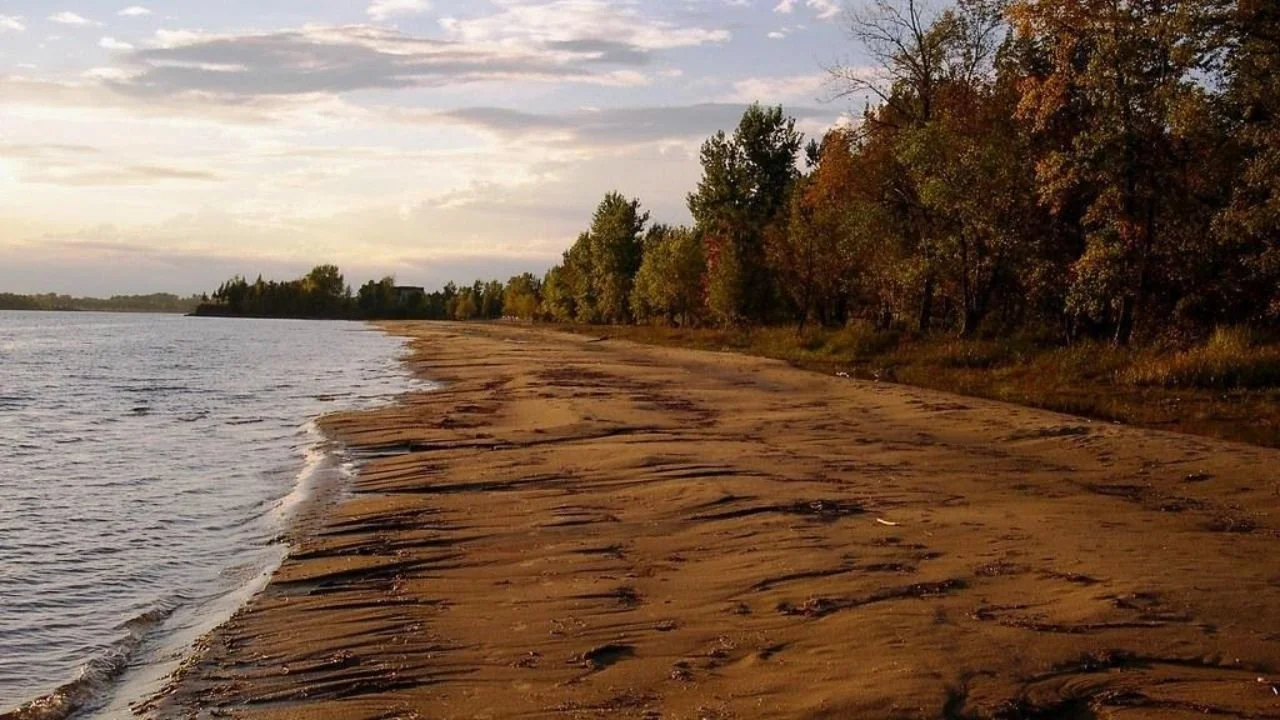
This is the headliner and for good reason. Alburgh Dunes State Park sits on 625 acres along Lake Champlain and features one of the longest natural sand beaches on the entire lake. The south-facing beach and its sand dunes form a barrier island, a geological feature more commonly found along ocean shorelines than on freshwater lakes.
What makes this spot special:
Rare freshwater sand dunes formed from glacial till roughly 10,000 years ago
Shallow, warm water ideal for families with young kids
A half-mile pedestrian and bike path that runs between the dunes and the wetland behind them
Wildlife viewing including deer, foxes, owls, and even the occasional moose
Vermont’s largest black spruce bog sitting right behind the dunes
The park is day-use only (no camping), open from 10 a.m. to sunset, with a small parking fee. There’s no public drinking water, so pack accordingly.
Golfers who appreciate a no-frills round will love this course. Alburg Golf Links is an 18-hole, par-72 course that opened in 1964 and feels like something straight out of Scotland. The layout follows the natural lay of the land with push-up greens, rolling fairways, and persistent winds off Lake Champlain that turn every approach shot into a strategic puzzle.
Detail
Info
Holes
18
Par
72
Yardage (Blue Tees)
6,537 yards
Season
May 1 through October 15
Designed By
Walter Barcomb / R.B. Ellison
Walking Allowed
Yes
Driving Range
Yes
The 19th Hole Bar & Grill on the deck afterwards is not a bad way to close the round, either.
Bike the Champlain Islands
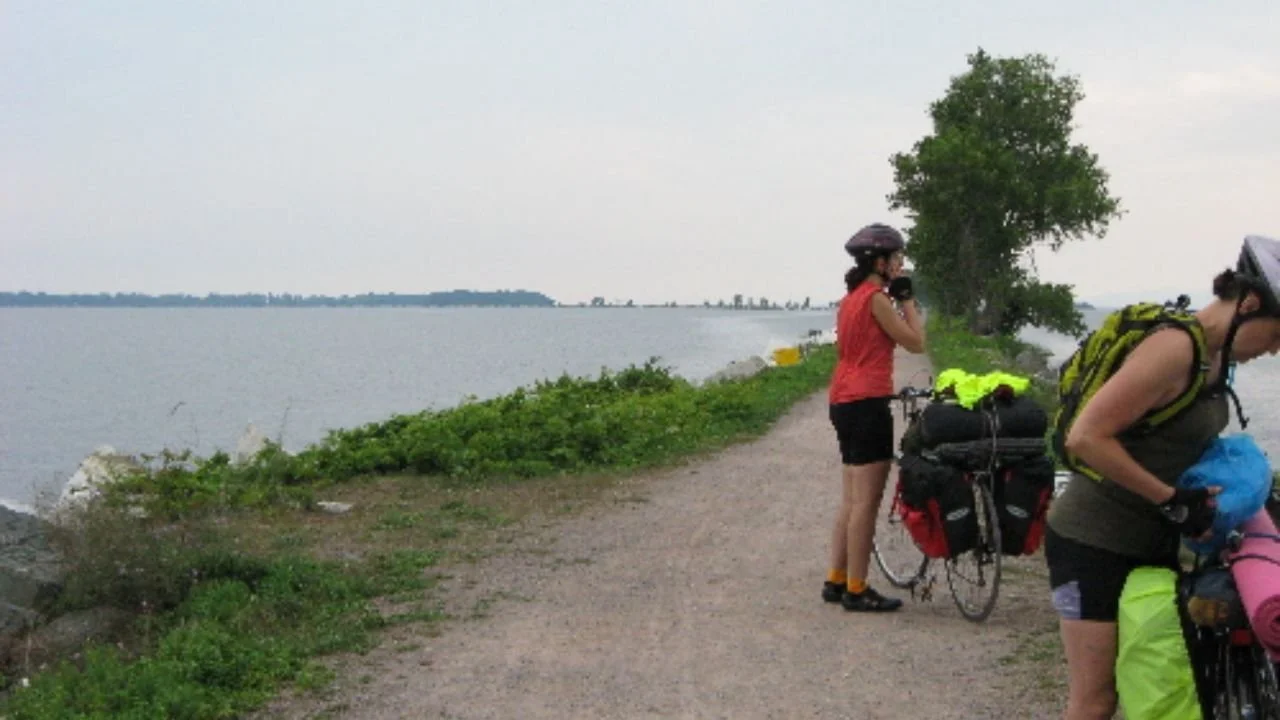
Cycling through Alburgh, Grand Isle, Vermont is one of those experiences people underestimate until they’re actually doing it. The terrain is flat. The roads are quiet and well-maintained. And the views are ridiculous, with Lake Champlain on either side and mountains filling both horizons.
The Lake Champlain Bikeways network covers over 1,600 miles across Vermont, New York, and Quebec, with five designated loops running through the Champlain Islands. Routes range from easy 10-mile spins to more ambitious 60-mile rides. Local drivers are famously patient with cyclists. Some farms along the route even post signs offering free water and air for riders.
For anyone starting from Burlington, the Island Line Trail is a 14-mile ride that includes a three-mile causeway extending right across Lake Champlain. A seasonal bike ferry operated by Local Motion connects the mainland to South Hero during the summer months.
Walk Through 450 Million Years of History on Isle La Motte
Just a short drive south from Alburgh, Isle La Motte is home to the Chazy Reef, widely recognized as one of the oldest reefs on Earth built by a community of different organisms. The formation dates back approximately 450 to 480 million years and contains fossilized corals, sponges, trilobites, and gastropods.
Two publicly accessible sites let visitors see the fossils up close:
Fisk Quarry: An old limestone quarry (the oldest quarry in Vermont) now preserved as an outdoor geological exhibit
Goodsell Ridge Fossil Preserve: Walking trails through open fields where reef formations are exposed right at the surface
The limestone from Isle La Motte was used in both the National Gallery of Art in Washington and Radio City Music Hall in New York. Walking through Goodsell Ridge on a quiet summer morning, reading the interpretive signs while standing on rock older than complex plant life, is genuinely humbling.
Explore the Missisquoi National Wildlife Refuge
Located on the mainland just east of the Alburgh Peninsula, the Missisquoi National Wildlife Refuge covers 6,729 acres of federally protected wetlands, meadows, and floodplain forests. Established in 1943, it sits along the Atlantic Flyway and hosts the largest concentration of waterfowl on Lake Champlain.
The refuge is especially rewarding in summer:
Five public hiking trails through diverse habitats
Two boat ramps for kayaking and canoeing the Missisquoi River
Over 200 documented bird species, including nesting bald eagles and osprey
Vermont’s largest great blue heron rookery on Shad Island
Designated as a Wetland of International Importance under the Ramsar Convention
The visitor center is located on Tabor Road, about six miles west of Swanton. Bring binoculars.
Browse the Champlain Islands Farmers’ Market
Every Saturday from mid-May through late October, the Champlain Islands Farmers’ Market sets up at St. Joseph’s Church in Grand Isle from 10 a.m. to 2 p.m. A second weekly market runs on Wednesdays in South Hero at St. Rose of Lima Church from 3 to 6 p.m.
Expect fresh local vegetables, pastured eggs, artisan cheeses, baked goods, cut flowers, handmade crafts, and prepared foods. The market regularly features live music, cooking demonstrations, and studio tours. It’s a registered nonprofit with a genuine focus on keeping local food accessible and farmers supported.
For summer visitors staying in Alburgh, the Saturday market is a perfect late-morning outing before heading to the beach.
More Summer Activities Worth Knowing About
Beyond the big draws, the Alburgh Grand Isle Vermont area has plenty of smaller experiences that round out a summer stay:
Snow Farm Vineyard & Winery (South Hero): Vermont’s first vineyard, with wine tastings, a lakeside setting, and free summer concerts on Thursday evenings from June through August
Saint Anne’s Shrine (Isle La Motte): Vermont’s first European settlement from 1666, with peaceful grounds, a beach, and daily Mass
Breakaway Farm (Grand Isle): A family-owned horse farm offering scenic trail rides and private lessons on 160 acres
Grand Isle Art Works: A gallery featuring handcrafted items from Vermont artists, including paintings, wooden bowls, and textile art
Allenholm Farm (South Hero): One of the oldest orchards on the islands, with a petting farm and apple picking later in summer
Kayaking, Fishing, and Lake Life
No guide to summer in this region would be complete without mentioning the lake itself. Lake Champlain is the largest lake east of the Great Lakes, and staying lakeside in Alburgh puts the water right outside the door.
Kayaking, paddleboarding, and canoeing are all popular. Fishing is excellent, with bass, walleye, pike, and lake trout common catches. Evenings on the water here come with wide-open sunsets over the Adirondacks that honestly look better than most postcards.
What is there to do in Alburgh, Vermont in summer?
Summer visitors to Alburgh can swim at Alburgh Dunes State Park, golf at Alburg Golf Links, bike the Champlain Islands, kayak on Lake Champlain, visit the Missisquoi National Wildlife Refuge, and explore nearby Isle La Motte’s ancient fossil reef. The area also offers farmers’ markets, wineries, horse farms, and art galleries.
Is Alburgh Dunes State Park good for families?
Yes. The beach has shallow, warm water that extends far from shore, making it safe and comfortable for young children. The park also has a walking and biking path, picnic tables, and restrooms. Note that camping is not permitted and there is no public drinking water, so visitors should pack water and snacks.
How far is Alburgh from Burlington, Vermont?
Alburgh is roughly 45 to 50 miles north of Burlington, about a one-hour drive through the scenic Champlain Islands along US Route 2. The drive passes through South Hero, Grand Isle, and North Hero before reaching Alburgh at the northern end of the island chain.
What is the oldest coral reef in the world and where is it?
The Chazy Reef on Isle La Motte in Vermont is recognized as one of the oldest reefs on Earth built by a community of different organisms. It dates back roughly 450 to 480 million years. Visitors can see the exposed fossils at two free public sites: Fisk Quarry and Goodsell Ridge Fossil Preserve, both located on Isle La Motte, a short drive south of Alburgh.
When searching for Vermont cabin rentals that include lake access, the most important factors are waterfront proximity, private or shared beach availability, dock access for boats and kayaks, the type of lake activities offered, and whether the property sits on a swimmable, fishable body of water.
That is the short answer. But actually finding a rental that checks all those boxes? That takes a bit more digging.
Vermont has over 800 lakes and ponds spread across the state. Some are tiny backcountry gems with no road access. Others, like Lake Champlain, stretch over 120 miles and act as a full-on outdoor playground for families, anglers, and paddlers alike. The cabin sitting "near a lake" on a listing page might mean a five-minute walk, or it might mean a 20-minute drive down a gravel road. Those are wildly different experiences.
So before booking anything, here is what actually matters.
Waterfront Proximity Is Not the Same as Lake Access
This is probably the biggest trap in vacation rental listings. A property can market itself as "lakeside" while technically being a quarter mile from the water. True lake access means stepping off a porch or deck and reaching the shoreline within a few minutes on foot, ideally without crossing a public road or someone else's property.
Look for listings that specify:
Direct lakefront location (the property physically borders the water)
On-site beach or shoreline (sandy, rocky, or grassy, but dedicated to guests)
Walkable distance measured in feet, not miles
The best Vermont cabin rentals with real lake access will usually include photos of the waterfront taken from the property itself. If the listing only shows interior shots and a distant lake view from a window, that is worth questioning.
Dock and Boat Launch Availability
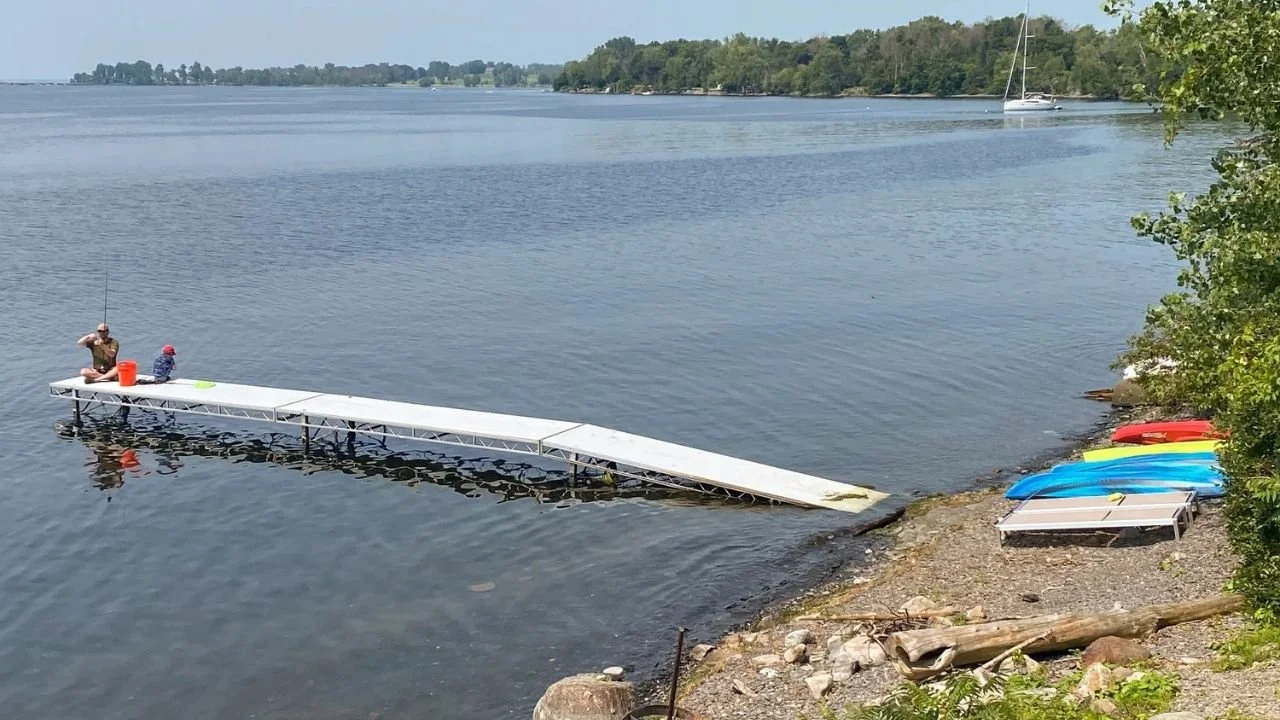
For anyone planning to fish, kayak, canoe, or bring their own boat, dock access changes everything. Not every lakefront cabin comes with a dock, and public boat launches can get crowded during summer weekends, especially on popular lakes.
Here is what to ask or verify before booking:
Does the property have a private dock available for guests?
Is there a boat ramp nearby for launching larger watercraft?
Are kayaks, canoes, or paddleboards included with the rental?
Can guests moor a boat overnight, or is it day-use only?
Properties on Lake Champlain, for example, sometimes include dock access because the lake supports everything from bass fishing to sailing. Smaller Vermont lakes may only allow non-motorized boats, so understanding local regulations matters too.
Not all Vermont lakes offer the same experience. Some are best for quiet paddling and wildlife watching. Others support motorized boating, swimming, and serious fishing. The "right" lake depends entirely on what a guest wants to do during their stay.
Here is a quick comparison of some popular Vermont lakes and what they offer:
Lake
Best For
Motorized Boats Allowed
Swimming
Notable Feature
Lake Champlain
Fishing, boating, swimming, sunsets
Yes
Yes
120+ miles long, 80 islands, bass and salmon fishing
Lake Bomoseen
Water skiing, scuba, swimming
Yes
Yes
Largest lake fully within Vermont
Lake Willoughby
Scenic paddling, trout fishing
Limited
Yes
Called the "Lucerne of America"
Emerald Lake
Family swimming, quiet nature
No
Yes
No motorized boats allowed
Seymour Lake
Clean water swimming, fishing
Yes
Yes
Fed by underground springs
For guests who want variety, like being able to swim in the morning, fish in the afternoon, and watch a sunset from a dock in the evening, larger lakes tend to deliver more. Lake Champlain stands out here because its sheer size supports nearly every water activity imaginable.
Seasonal Timing Changes the Experience
Vermont is a four-season state, and lake access means different things depending on when a visit happens. This catches some travelers off guard.
Summer (June through August) is obviously the peak season. Lake water warms up enough for comfortable swimming by late June, and most waterfront properties are fully booked well in advance. This is the window for paddleboarding, kayaking, and long evenings on the dock.
Fall (September through November) is quieter and arguably more beautiful. The foliage reflecting off lake water is something that photos honestly cannot capture. Swimming is still possible in early September if cooler water does not bother anyone. Fishing actually improves as summer crowds disappear.
Winter and Spring bring ice fishing on lakes that freeze over. Lake Champlain freezes in parts during mid-winter, and ice fishing for walleye, northern pike, and perch is a legitimate draw for anglers. But not every rental property stays open year-round, so confirming availability is essential.
Amenities That Separate Good Rentals From Great Ones
Beyond the lake itself, the cabin's amenities make or break the trip. A gorgeous waterfront location loses its appeal fast if the kitchen is barely functional or the beds are uncomfortable.
When evaluating Vermont cabin rentals with lake access, look for:
Fully equipped kitchen with pots, pans, dishes, utensils, and basic spices (surprisingly, many rentals skip this)
Outdoor grill and picnic area for lakeside meals
Linens and towels included so packing light is actually possible
Air conditioning or mini-split systems because Vermont summers can get warm
Pet-friendly policies if traveling with dogs (many lakefront trails are perfect for them)
Walking trails on the property for mornings before the lake warms up
Wi-Fi availability, because even on vacation, people want to stay connected
Properties that include extras like fire pits, outdoor seating facing the water, or provided fishing gear tend to earn repeat bookings. It is the small touches that turn a rental from "nice" into "we are coming back next year."
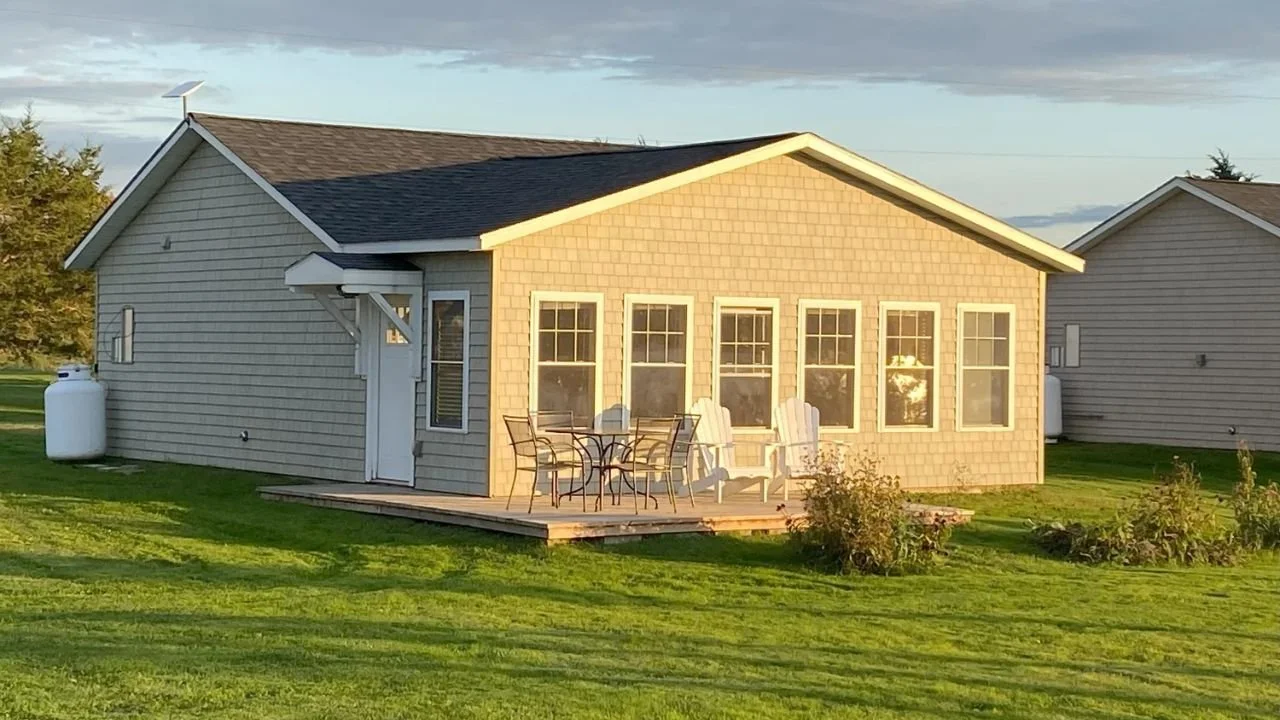
Isle View Lake Cottages on Lake Champlain, for example, include fully stocked kitchens, all linens, outdoor grills, walking trails across 45 acres, and direct beach access with a dock, which is exactly the kind of setup worth looking for when browsinglakefront cottage rentals in Vermont.
Privacy and Property Size
Here is something people do not think about until they arrive: how close is the next cabin?
Some lakefront rental complexes pack units tightly together. Others sit on larger plots where guests have genuine breathing room. For families or couples looking for a quiet getaway, a property spread across significant acreage with walking trails and open fields offers a totally different vibe than a row of cabins squeezed along a narrow shoreline.
Acreage also affects lake access quality. Larger properties often have more shoreline, which means less competition for beach space during peak season.
Location Within Vermont
Vermont is a small state geographically, but driving from the southern border to the northern tip still takes about three hours. Where the cabin sits affects what is nearby.
Northern Vermont and the Champlain Islands put guests close to Lake Champlain, the Canadian border, and attractions like Alburgh Dunes State Park, which has one of the longest natural sand beaches on the lake. This area is particularly strong for fishing, with bass, perch, salmon, and trout all available depending on the season.
Central Vermont offers access to lakes like Waterbury Reservoir and smaller ponds surrounded by Green Mountain hiking trails.
Southern Vermont features lakes like Emerald Lake and Lake St. Catherine, which tend to be quieter and more family-oriented.
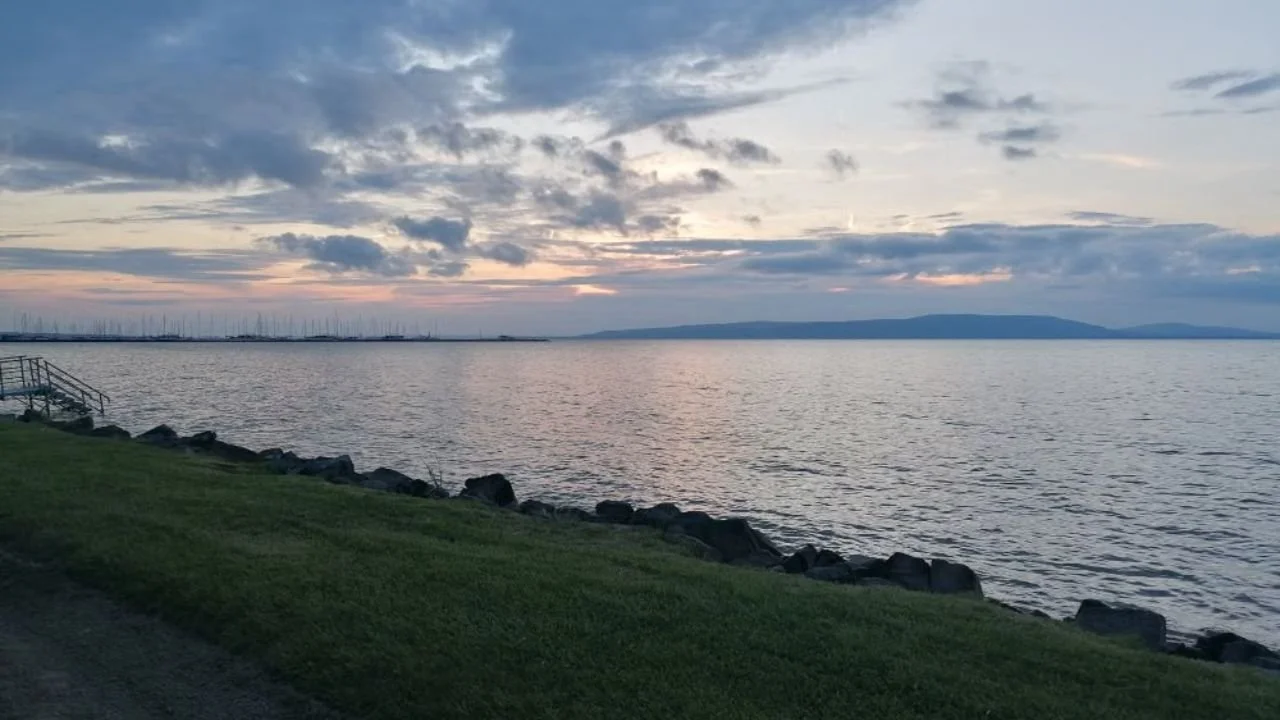
For guests who want the biggest range of lake activities combined with scenic beauty and a relaxed pace, the Champlain Islands region in northern Vermont consistently ranks as one of the top choices. The sunsets over Lake Champlain from the western-facing shore are, to put it simply, unreal.
Final Thought
Finding the right lakefront cabin is really about matching expectations with reality. The listing photos might look perfect, but confirming waterfront distance, dock availability, included amenities, and the type of lake experience on offer is what separates a forgettable weekend from the kind of trip that becomes an annual tradition.
Vermont has no shortage of beautiful places to stay. But for anyone serious about lake access, doing the homework upfront saves a lot of disappointment later.
Frequently Asked Questions
Q: Do all Vermont cabin rentals near lakes include direct water access?
No. Many properties advertise lake proximity but may be set back from the water or require driving to a public access point. Always confirm whether the rental has a direct, walkable shoreline or a private beach before booking.
Q: What is the best time of year to book a lakefront cabin in Vermont?
Summer, specifically late June through August, is peak season for swimming, kayaking, and warm-weather lake activities. However, spring offers great fishing, bird watching, biking, and spectacular sunsets, fall offers stunning foliage and fewer crowds, while winter brings ice fishing opportunities on lakes like Lake Champlain.
Q: Can guests bring their own boats to Vermont lakefront rentals?
It depends on the property and the lake. Some rentals include private docks where guests can moor boats. Others are near public boat launches. Larger lakes like Lake Champlain and Lake Bomoseen allow motorized boats, while smaller lakes may restrict watercraft to canoes and kayaks.
Q: Are Vermont lakefront cabins pet-friendly?
Some are, and some are not. Properties with larger acreage and walking trails tend to welcome dogs more readily. Always check the pet policy before booking, as fees and breed restrictions can vary by property.
The Champlain Islands sit right in the middle of the sixth-largest freshwater lake in the United States, and yet a surprising number of visitors don't realize just how many swimmable beaches are within easy reach. The short answer? At least six public Lake Champlain beaches sit within 30 minutes of the islands, ranging from long sandy stretches to quiet cobble shorelines tucked inside state parks.
For anyone staying in the Alburgh area or elsewhere in Grand Isle County, beach days aren't something that require major planning. A quick drive south down Route 2, or east toward the mainland, opens up a string of state parks and public access points that each offer something a little different.
Here's a breakdown of the best options, starting closest to the northern tip of the islands and working south.
#1 Alburgh Dunes State Park
Location: Alburgh, VT
Drive from the Islands (Alburgh): Under 5 minutes
Beach type: Natural sand
This is the obvious starting point, and honestly, it's one of the best Lake Champlain beaches in the entire state. Alburgh Dunes is a 625-acre day-use park with one of the longest sandy beaches on the lake. The sand here isn't shipped in or manufactured. It formed naturally over thousands of years as glacial sediment eroded from nearby bluffs and settled along the south-facing shoreline.
The water stays shallow for a good distance out, which makes it particularly great for families with young kids. And unlike a lot of Vermont swimming spots that lean rocky, this one is genuinely sandy underfoot.
What to know before going:
No public drinking water is available at the park, so bring plenty
Fires are only permitted in the designated picnic grills
The old beach road is closed to cars but works beautifully as a walking and biking path between the dunes and wetland
Parking fills up fast on weekends, especially in July and August. Getting there before 10 a.m. is a smart move.
For guests at lakefront rentals nearby on Coon Point Road, the dunes are practically in the backyard. It's the kind of proximity that turns casual "should we go to the beach?" into a five-minute drive that barely feels like leaving.
For a deeper look at what makes this spot so special, check out our full guide toAlburgh Dunes State Park.
#2 Knight Point State Park
Location: North Hero, VT
Drive from Alburgh: About 15 to 20 minutes south
Beach type: Sandy swimming beach with cobble shoreline trail
Knight Point is a 54-acre day-use park right off Route 2 on North Hero Island. It sits at "The Gut," which is the navigable channel between the islands and the mainland side of the lake. That means visitors can watch sailboats and cruisers pass through while lounging on the sand.
The swimming beach here is small but clean, and the water clarity tends to be strong. Beyond the beach, a walking trail loops around the point through stands of old oak and cedar, eventually reaching an undisturbed cobble shoreline that's actually designated as a State Natural Area.
Best for: Couples and families who want a quieter beach day with a short nature walk added in. Kayak and boat rentals are available right at the park.
#3 North Hero State Park
Location: North Hero, VT
Drive from Alburgh: About 20 minutes south
Beach type: Sandy beach with shallow swimming
Sitting on 399 acres at the northern tip of North Hero Island, this day-use park is one of the more underrated spots in the islands. The sandy swimming beach faces Lake Champlain directly, and a concrete boat ramp gives paddlers easy access to the water. It's also an official stop on the Lake Champlain Paddlers' Trail, which is worth knowing for anyone bringing kayaks along on vacation.
One interesting detail: map turtles nest along sections of the beach, so part of the shoreline gets roped off during nesting season. It's a small thing, but it adds a bit of wildlife charm that most "beach days" don't include.
Best for: Swimmers and paddlers who want to avoid the busier parks farther south. North Hero rarely feels crowded, even in peak summer.
#4 Grand Isle State Park
Location: Grand Isle (South Hero Island), VT
Drive from Alburgh: About 25 minutes south
Beach type: Rocky/cobble shoreline with lake swimming
Here's where a little honesty is useful. Grand Isle is the most visited campground in the Vermont state park system, but the beach itself is rocky. Visitors who show up expecting soft sand will probably be underwhelmed. Water shoes are basically essential.
That said, the park has over 4,000 feet of Lake Champlain shoreline, kayak rentals, and a solid boat launch. And here's a nice perk: campers at Grand Isle get free entry to the sandy beaches at both Knight Point (7 miles north) and Alburgh Dunes (19 miles north). So even if the local beach isn't ideal for lounging, the access to other Lake Champlain beaches is built right into the deal.
Best for: Campers and boaters rather than dedicated beachgoers.
#5 Sand Bar State Park
Location: Milton, VT
Drive from Alburgh: About 30 to 35 minutes south
Beach type: Long sandy beach, shallow water
If Alburgh Dunes is the best-kept secret among Lake Champlain beaches, Sand Bar is the one everybody already knows about. This is the most visited day-use park in Vermont, and the reason is simple: 2,000 feet of uninterrupted sandy beach with a lake bottom that stays shallow for a remarkable distance from shore.
The water quality in this section of the lake is consistently high, and during testing periods where other beaches have closed due to cyanobacteria alerts, Sand Bar has often stayed clear. The park also features a historic bathhouse originally built by the Civilian Conservation Corps in the 1930s, which is a cool architectural detail most visitors walk right past.
What to know:
No pets allowed
Arrives at capacity quickly on hot weekends. Mid-morning arrival is too late on peak days
Kayak and canoe rentals are available
No camping. Day-use only
Best for: Families with small children who want the classic sandy beach experience.
#6 Kill Kare State Park
Location: St. Albans, VT
Drive from Alburgh: About 25 minutes east
Beach type: Sandy-bottom swimming area
Kill Kare sits on the southwestern tip of St. Albans Point, a three-mile peninsula that juts into Lake Champlain. It's a 17-acre day-use park with a south-facing swimming area, a public boat launch, and the added bonus of ferry access to Burton Island State Park.
The beach here is more of a swimming area than a traditional sandy stretch, but the water is clean, the setting is scenic, and there's a restored 1870s hotel called the Rocky Point House that's open for events and group rentals. It's also the only mainland launch point for the Island Runner ferry to Burton Island, a 253-acre park only accessible by water.
Best for: Visitors who want to combine a beach swim with a ferry trip to Burton Island.
Quick Comparison Table
Beach
Drive from Alburgh
Sand or Rock
Day-Use Only?
Boat Rentals
Alburgh Dunes
Under 5 min
Sand
Yes
No
Knight Point
~18 min
Sand + cobble
Yes
Yes
North Hero
~20 min
Sand
Yes
No
Grand Isle
~25 min
Rocky
Camping only
Yes
Sand Bar
~30 min
Sand
Yes
Yes
Kill Kare
~25 min
Sandy bottom
Yes
Yes
Tips for Planning a Beach Day from the Islands
Check cyanobacteria alerts before heading out. The Vermont Department of Health maintains a public tracker with real-time swim conditions for every state park beach.
Arrive early on weekends. Parking at Sand Bar and Alburgh Dunes fills up fast during July and August. Before 10 a.m. is the sweet spot.
Bring water shoes for Grand Isle. The shoreline is rocky enough that bare feet won't cut it.
Pack your own water for Alburgh Dunes. There's no public drinking water at the park.
Layer up for evenings. Even after a hot beach day, lakeside temperatures drop once the sun gets low.
Use the islands as your base. Staying at alakefront cottage in Alburgh puts every beach on this list within a 30-minute drive or less, with Alburgh Dunes practically at the doorstep.
FAQs
What is the best sandy beach on Lake Champlain near the islands?
Alburgh Dunes State Park and Sand Bar State Park both feature long natural sand beaches. Alburgh Dunes is the closest option for anyone staying in the northern Champlain Islands, while Sand Bar (in Milton) is the most visited day-use park in Vermont thanks to its 2,000-foot sandy shoreline and shallow swimming.
Are Lake Champlain beaches safe for kids?
Yes, several of the beaches near the islands are excellent for children. Sand Bar and Alburgh Dunes both have gently sloping sandy bottoms that stay shallow well out from shore. North Hero State Park also offers calm, shallow water. None of the state park beaches have lifeguards, though, so supervision is always necessary.
Do I need to pay to access Lake Champlain beaches at state parks?
Most Vermont state park beaches charge a day-use fee during the operating season, which typically runs from Memorial Day weekend through Labor Day. Campers at Grand Isle State Park receive free entry to the beaches at Knight Point and Alburgh Dunes, which is a solid perk.
When is the best time to visit Lake Champlain beaches?
Mid-June through early September is prime beach season. Lake water temperatures typically become comfortable for swimming by late June and stay warm through August. Weekday visits are significantly less crowded than weekends, and mornings are the best time to secure parking at popular spots like Sand Bar and Alburgh Dunes.
The best kayaking on Lake Champlain near the islands is found in and around Vermont's Champlain Islands chain, specifically the protected coves of Alburgh, North Hero, and the cluster of wilderness islands between Knight Point and St. Albans Bay. These spots offer calm, sheltered water, easy launch access, and some of the most scenic paddling in all of New England.
But here's what most guides leave out: the Champlain Islands aren't just one destination. They're a string of very different paddling environments connected by bridges, causeways, and short crossings. Picking the right one depends on skill level, how much wildlife matters, and whether the goal is a quick sunset paddle or an all-day island-hopping adventure.
Why the Champlain Islands Are Built for Kayaking
Lake Champlain stretches roughly 120 miles from north to south, covers over 500 square miles of open water, and contains more than 70 islands. That size means conditions can change fast out on the main body. Wind, wave chop, and boat traffic can turn a casual outing into something more serious in a hurry.
The Champlain Islands solve that problem. The islands themselves break up wind fetch, and the bays between them stay surprisingly calm even when the open lake is rough. Grand Isle County (which includes South Hero, Grand Isle, North Hero, Isle La Motte, and Alburgh) sits in the northern third of the lake where the water narrows, and island geography creates natural windbreaks. It's the reason this area consistently ranks as one of the best regions for kayaking on Lake Champlain.
Plus, Vermont's state park system maintains several kayak-friendly launch points right on the islands, some with rentals on-site.
Top Kayaking Spots Near the Champlain Islands
Here's a breakdown of the standout paddling spots, organized from the northernmost to south.
1. Alburgh Dunes State Park
Alburgh sits on a peninsula that juts down from the Canadian border, and it's technically the northernmost community in Grand Isle County. Alburgh Dunes State Park, located on Coon Point Road, has one of the longest sandy beaches on the entire lake. The park rents kayaks and paddleboards, which makes it a no-excuses kind of launch point.
The water right off the beach tends to stay shallow and protected, perfect for beginners or families. And paddling south from the dunes toward the quieter coves along Alburgh's western shoreline is a fantastic way to spend a morning. For a closer look at what makes this beach so special beyond the paddling, check out this guide toAlburgh Dunes State Park and why it ranks among the best on the lake.
Best for: Beginners, families, sandy beach launch, paddleboard-friendly
2. The Gut (Alburgh to North Hero Passage)
This narrow channel between Alburgh and North Hero Island is a local favorite that most visitors completely miss. The current here provides a gentle push (almost like a lazy river in spots), and the passage is rich with birds, turtles, and the occasional beaver sighting. Timing matters, though. Paddle with the flow direction, and it's effortless. Go against it, and the experience is very different.
Best for: Intermediate paddlers, wildlife viewing, current-assisted paddling
3. Knight Point State Park
Knight Point sits on the western shore of North Hero Island and serves as the primary launch for anyone heading to the remote wilderness islands. The park offers kayak and SUP rentals, a swimming beach, and free parking for paddlers heading out to Knight Island or Burton Island.
The paddle from Knight Point to Burton Island is roughly two miles of open water, so conditions matter. But on a calm day, it's one of the best short crossings in the region.
Best for: Access to wilderness islands, kayak rentals, picnic-friendly base camp
4. Burton Island State Park
Burton Island is only accessible by boat or ferry, which immediately filters out crowds. The island has its own kayak and paddleboard rentals, hiking trails, camping, and swimming beaches. Once there, paddlers can explore the island's shoreline or make short crossings to neighboring Knight Island and Woods Island.
This little cluster of three islands between North Hero and St. Albans Point is the crown jewel of kayak camping on Lake Champlain.
Best for: Island camping, multi-day trips, solitude, wildlife
5. North Hero State Park
Sitting on the far northern tip of North Hero Island, this park stays underutilized compared to Grand Isle and Knight Point. It has a boat launch, swimming, and direct access to the narrowest crossing point on the lake. The paddle across to Clark Point on the mainland is only about a mile, making it a confidence-building open-water crossing for newer paddlers.
Best for: Quiet launch, short crossings, uncrowded paddling
6. Missisquoi Bay and the Wildlife Refuge
A short drive northeast of the islands, Missisquoi Bay and the Missisquoi National Wildlife Refuge near Swanton offer a completely different kind of paddle. The 6,600-acre refuge sits along the Atlantic Flyway and hosts one of the densest concentrations of bird species in Vermont. Paddlers launching from Louie's Landing on Route 78 can head downriver through the delta or meander up Dead Creek into reedy Goose Bay.
Ospreys, bald eagles, great blue herons, mergansers, and dozens of shorebird species are regularly spotted here. For nature-focused paddlers, this place is hard to beat.
Best for: Birding, wildlife photography, flat and protected water
Quick Comparison: Kayaking Spots Near the Islands
Spot
Skill
Rentals Available
Key Draw
Alburgh Dunes State Park
Beginner
Yes (kayak + SUP)
Sandy beach, calm water
The Gut (Alburgh)
Intermediate
No
Current-assisted, wildlife
Knight Point State Park
Beginner to Intermediate
Yes (kayak + SUP)
Island access, parking
Burton Island State Park
Intermediate
Yes (kayak + SUP)
Boat-access-only island, camping
North Hero State Park
Beginner
No
Quiet, short crossing
Missisquoi Bay / Refuge
Beginner to Intermediate
No
Birding, wetland paddling
Safety and Timing Tips for Paddling the Islands
Kayaking on Lake Champlain near the islands is generally safe, but a few things are worth knowing before launching:
Check the wind before anything else: Even sheltered bays can get choppy when winds hit 10 to 15 mph. Morning paddles (before 10 a.m.) tend to offer the calmest conditions.
Wear a PFD: Vermont law requires a personal flotation device on board for every paddler. Just wear it.
Mind the ferries and powerboats: The main channels between islands see regular traffic. Stay visible and stay to the edges.
Best months are June through September: Water temps are most comfortable from mid-June onward, and fall paddling (late September into October) brings incredible foliage but cooler air and water.
Bring a dry bag and sunscreen: Even overcast days on the water produce surprising sunburns, and electronics need protection from splashes.
Where to Stay for a Kayaking Trip on the Islands
Choosing lakefront lodging makes all the difference for a paddling trip. Being able to walk down to the water in the morning, launch a kayak without loading up a car, and come back to a comfortable place afterward turns a day trip into something way more relaxing.
Alburgh in particular offers that kind of access. Its position at the northern end of the Champlain Islands means paddlers are within a short drive (or paddle) of nearly every spot listed above, from the Dunes to The Gut to Missisquoi Bay.
Vacation cottages with direct lake frontage, like those along Coon Point Road, put guests right on the water with views stretching across to the Green Mountains and Adirondacks. That proximity to Alburgh Dunes State Park (about a mile down the same road) is a bonus that's hard to match.
Browse the availablelakefront cottage rentals to find a home base that puts the water right outside the front door.
FAQs
Can you rent kayaks on the Champlain Islands?
Yes. Several Vermont state parks on the islands offer kayak rentals, including Alburgh Dunes State Park, Knight Point State Park, Burton Island State Park, and Kill Kare State Park. PaddleSurf Champlain also delivers rental kayaks and paddleboards to South Hero, North Hero, Grand Isle, Alburgh, and Isle La Motte.
Is kayaking on Lake Champlain safe for beginners?
Absolutely, as long as beginners stick to protected bays and shoreline paddles. Spots like Alburgh Dunes, Knight Point, and North Hero State Park offer calm, shallow water that's forgiving for newer paddlers. Avoid open-water crossings until comfortable with wind and wave conditions.
What is the best time of year for kayaking on Lake Champlain?
The prime season runs from mid-June through September, when water temperatures are warmest and weather is most stable. Early mornings consistently provide the calmest paddling conditions. Fall paddling through mid-October offers stunning foliage but requires preparation for cooler water.
Are there kayak camping options near the Champlain Islands?
Yes. Burton Island and Knight Island state parks both offer campsites accessible only by boat, making them ideal for kayak camping. The Lake Champlain Paddlers' Trail also maintains over 600 shoreline and island campsites across the lake, with several located in the northern islands region.
Alburgh Dunes State Park stands out as one of the best beaches on Lake Champlain because it has something most lakeside beaches in Vermont simply don't: a long, uninterrupted stretch of natural sand, shallow and rock-free water, and a wild coastal feel that genuinely resembles an ocean shoreline. It's the kind of place where families with little kids can wade out comfortably, where the sand is actually good for sandcastles, and where the crowd never really gets overwhelming even on a holiday weekend.
That last part is surprisingly rare for a beach this beautiful.
Located in the northwestern corner of Vermont, just a few miles from the Canadian border, this 625-acre park sits on the shores of Lake Champlain in the town of Alburgh. It became a state park back in 1996, and it has quietly stayed one of the region's best-kept lakeside spots ever since. For visitors staying in the Champlain Islands area, it's practically a must-visit.
Why This Beach Feels Different From Every Other Spot on Lake Champlain
Here's the thing about Lake Champlain beaches. A lot of them are rocky. Or small. Or packed with seaweed. Some of the more popular ones near Burlington get crowded on weekends, and parking becomes a whole situation.
Alburgh Dunes State Park is a completely different experience.
The beach here is south-facing, which means it gets sun for most of the day. The water is shallow for a good distance out from shore; there's a soft sandy bottom, and rocks are basically a non-issue. For families with toddlers or young kids, that's a huge deal. No worrying about sharp stones underfoot or sudden drop-offs.
And the sand? It's the real thing. Not dirt-adjacent mud with a generous label. Actual sand, shaped over thousands of years by glacial deposits, rain, snowmelt, and lake currents. The same forces that created ocean barrier islands along the Atlantic coast built this formation. Which is kind of wild when you think about where you're standing.
The Geology Behind the Dunes (It's More Interesting Than It Sounds)
The sand dunes at the center and western end of the beach are what give this park its name. But they're more than a scenic backdrop.
These dunes form what geologists call a barrier island. Thousands of years ago, massive glaciers left deposits of soil on the nearby bluffs. Over time, erosion carried that material into Lake Champlain, where currents pushed it along the shoreline to create the beach. Then, prevailing winds blew sand inland, building up the dune formations.
Behind the dunes sits something equally remarkable. A sprawling wetland complex that includes the largest black spruce bog in all of Grand Isle County. Black spruce swamps are typically found much further north in colder regions, so the fact that one thrives here is a genuine ecological anomaly. Core samples taken from the bog reveal peat deposits more than 26 feet deep, with vegetation records dating back to the ice age.
Two rare plant species also call these dunes home: Champlain beach grass and the low-growing beach-pea. Both are remnants from the post-glacial era when Lake Champlain was actually an inland estuary of the Atlantic Ocean. They've survived here for thousands of years. Protective fencing around the dunes helps keep these species safe, so visitors should stay outside the fenced areas.
What to Do at Alburgh Dunes State Park
It's a day-use park, not a campground, but there's plenty to fill a full afternoon (or even a long morning into evening).
Swimming in Lake Champlain's shallow, sandy-bottomed water
Fishing right from the shoreline or by boat
Picnicking at tables in the day-use field or right on the beach
Birdwatching in the wetlands behind the dunes, where migratory species nest and feed
Walking or biking the 1.25-mile paved beach road that runs along the Lake Champlain shoreline
Building sandcastles on real sand (the kids will thank you)
Exploring the natural playground near the parking area
The beach road is a small detail that doesn't get enough attention. It's paved, flat, and scenic. Great for a casual bike ride or an easy stroll with a view. Visitors often comment that the whole park has an uncrowded, peaceful quality that's hard to find at busier state parks further south.
Practical Details: What to Know Before Visiting
Planning matters here, because this park does things a little differently than a typical recreation area. It's focused heavily on preservation, so the amenities are intentionally minimal.
Detail
Info
Location
151 Coon Point Road, Alburgh, VT 05440
Season
Memorial Day weekend through Labor Day weekend
Hours
10:00 AM to sunset
Day-Use Fee
~$5 per adult (14+), ~$2 per child (4-13), free for toddlers
Camping
Not permitted
Drinking Water
Not available. Bring your own.
Restrooms
Yes, located at the west end of the beach
Pets
Not allowed
Fires
Only in picnic grills in the designated picnic area
After Labor Day
Free admission, though amenities may be limited
That "bring your own water" part trips people up sometimes. There's no potable water anywhere in the park. Pack more than you think you'll need, especially on hot days.
Also worth noting: pets aren't permitted anywhere in the park. Not on the beach, not on the trails. Plan accordingly if traveling with a dog.
Getting There
From US Route 2 in South Alburgh, take Route 129 West for about one mile. Then turn left onto Route 129 Extension, followed by another left onto Coon Point Road. The park entrance is roughly 1.5 miles down.
For visitors coming from Burlington, it's about a 42-mile drive north through the Champlain Islands. From Plattsburgh, NY, it's only about 18 miles. And from Montreal, it's roughly 58 miles south, making it a doable day trip from across the border.
Why Staying Nearby Makes All the Difference
Here's something that changes the experience entirely. Alburgh Dunes State Park is a day-use park with gates that close at sunset. There's no camping and no overnight options inside the park. So for anyone wanting to really soak in this part of Lake Champlain over multiple days, having a nearby home base is not just convenient but kind of essential.
Isle View Lake Cottages sit just one mile from the park on the same road, withlakefront cottage rentals that put the beach within a quick morning drive or even a short bike ride.
That's where staying in Alburgh itself pays off. Waking up a short drive from one of the best beaches on the lake, with the flexibility to visit in the morning before the parking lot fills up or catch a late-afternoon swim without watching the clock. September is particularly special here. After Labor Day, admission to the park goes free, the summer crowds thin out, and the weather is still warm enough for long beach walks, campfires, and biking around the islands.
Having a comfortable cottage to return to after a full day at the beach, with a kitchen to cook dinner and a view of the lake outside the window, turns a nice day trip into an actual vacation. The Champlain Islands area has that kind of slow, unhurried energy that's hard to replicate.
Between apple orchards, vineyards, golf courses, and waterfront trails, there's no shortage ofthings to do and places to explore beyond the beach during a stay in Alburgh.
Comparing Alburgh Dunes to Other Lake Champlain Beaches
Alburgh Dunes wins on crowd levels and beach quality pretty consistently. Sandbar State Park is a great option too, but it draws more visitors and doesn't have the same wild, natural dune formations. North Beach in Burlington is popular for good reason but gets packed on weekends and loses that quiet retreat feeling.
FAQs
Can you camp at Alburgh Dunes State Park?
No. Alburgh Dunes State Park is strictly a day-use park. Camping is not permitted anywhere on the property. The park is open from 10:00 AM to sunset, Memorial Day weekend through Labor Day weekend. Visitors looking for overnight stays should look into nearby cottage rentals or lodging in the Alburgh and Champlain Islands area.
Is Alburgh Dunes State Park good for kids?
Yes, it's one of the most family-friendly beaches on Lake Champlain. The water is shallow with a gradual entry and a soft sandy bottom, which makes it ideal for young children. There's also a natural playground near the parking lot and plenty of space on the beach for sandcastle building.
Are dogs allowed at Alburgh Dunes State Park?
No. Pets are not permitted at this park, not on the beach or on any trails. This is a conservation-focused park with rare plant species and protected dune habitat, so the restriction helps preserve the natural environment.
When is the best time to visit Alburgh Dunes State Park?
Late June through early September is the prime season for swimming and warm weather. But September after Labor Day is an underrated sweet spot. Admission becomes free, the beach is quieter, and temperatures are still comfortable for walking, picnicking, and enjoying the shoreline without the summer rush.
Lake Champlain fishing offers access to over 80 fish species across 120 miles of water that stretches between Vermont and New York. Smallmouth bass, largemouth bass, lake trout, landlocked Atlantic salmon, walleye, northern pike, and panfish all call this lake home. And the best part? No lottery system limits entry, no guide rule blocks independent anglers, and more than 500 miles of shoreline means there is room to fish without fighting for space.
But here is the thing. Showing up without a plan is a fast way to waste a trip. The regulations, the seasonal patterns, the gear, the license situation... it all matters. Especially for first-timers who have never dealt with a body of water this size.
So before loading up the truck and heading to Alburg or anywhere else on the lake, here is everything worth knowing.
The Fish You Can Actually Expect to Catch
Lake Champlain is not a one-species lake. That is what makes it special. Depending on the season, the method, and the depth, anglers can target a surprisingly wide range of fish.
Smallmouth bass are the headliners. They are the signature species on Champlain, and for good reason. Average fish run 2 to 4 pounds, but bigger smallmouth regularly push past 5 pounds. Rocky shoals, points, and boulder fields in 8 to 25 feet of water hold the best fish. The Bassmaster Elite Series has held events here, which tells you something about the quality of this fishery.
Largemouth bass prefer the warmer, shallower bays and weedy structure. Best action tends to happen in sheltered coves and weed-lined areas, particularly during summer.
Lake trout are native to Champlain, and stocking programs run by both Vermont Fish & Wildlife and NYSDEC have brought populations back to solid fishable levels. Deepwater jigging and downrigger trolling in the main basin are the go-to methods.
Landlocked Atlantic salmon are probably the most exciting seasonal fishery the lake offers. Spring and fall are peak windows, and salmon also run into tributary streams in autumn, which is a great opportunity for fly anglers.
Walleye are present but are better treated as a bonus target than the main event. Populations crashed in the late 1980s but have recovered significantly in recent years. Low-light periods around dawn and dusk work best, especially near structure and drop-offs. Missisquoi Bay and the northern sections tend to be the most productive spots.
Northern pike, yellow perch, crappie, musky, and panfish round out the mix. Perch fishing gets particularly hot during winter ice fishing season, and crappie start stacking in shallow bays and backwaters from April onward.
Species
Daily Limit
Minimum Size
Best Season
Smallmouth Bass
5 (combined with largemouth)
10 inches
May through October
Largemouth Bass
5 (combined with smallmouth)
10 inches
June through September
Lake Trout
2
15 inches
Year-round (winter peak)
Landlocked Salmon
2
15 inches
Spring and fall
Walleye
3
18 inches
May opener through fall
Northern Pike
5
20 inches
Fall and winter
Panfish (combined)
50 total (max 25 crappie)
No minimum
Year-round
Note: Vermont introduced a new combined panfish limit for 2026. Anglers are capped at 50 panfish per day total, with a maximum of 25 crappie within that count. Selling crappie caught in Vermont waters is now completely banned.
When Is the Best Time for Lake Champlain Fishing?
Short answer: spring and fall deliver the most consistent action across species. But the "best" time really depends on what fish you want to target.
Spring (May to early June) is when Lake Champlain fishing truly wakes up. Post-ice smallmouth bass get aggressive as water temperatures climb into the mid-60s. Walleye season opens the first Saturday in May after their spawning closure, and the weeks immediately following that opener can produce excellent catches near tributary mouths. Crappie start moving into shallow bays as early as April. Keep in mind that bass are catch-and-release only from the second Saturday in April through the second Saturday in June statewide.
Summer (late June through August) shifts the game. Bass smash surface lures before breakfast, and the topwater action early and late in the day is something else. Weed beds, docks, and shaded coves become the spots. Lake trout move deeper, so downrigger trolling becomes essential. Summer fishing on Champlain is best during low-light periods. The midday hours can slow things down considerably.
Fall (September through October) might be the most underrated window. Salmon run into tributaries, northern pike get active, and bass feed aggressively before winter sets in. Fewer anglers are on the water too, which means less competition for the good spots. For anyone planning a fall getaway to the Champlain Islands, the fishing and the foliage make a surprisingly good combination.
Winter (December through March) brings ice fishing, and Champlain does it differently. Vermont allows up to 15 lines through the ice on Lake Champlain, which is way more than the 8-line limit on other Vermont waters. Yellow perch, walleye, pike, and panfish are the primary targets. Just make sure to check ice conditions carefully. Minimum 4 inches of solid ice for walking, 8 to 12 inches for any kind of vehicle.
Licenses, Regulations, and What First-Timers Get Wrong
Here is where people trip up. Lake Champlain sits on the border of two states, so the licensing situation has some nuance.
The good news? Vermont and New York have a reciprocal fishing agreement. Anglers holding a valid fishing license from either state can fish most of the big lake without needing a second license. When fishing on the Vermont side, follow Vermont rules. On the New York side, follow New York rules. Simple enough in theory, but worth double-checking before you go.
Key license details for Vermont:
Age 15 and older need a valid fishing license
Under 15 fish for free, no license required
Resident annual license costs around $28
Non-resident annual license runs about $54
Short-term options include 1-day and 7-day permits for visitors
Free Fishing Days happen on the second Saturday in June and the last Saturday in January
Digital licenses are available through Vermont Fish & Wildlife and process instantly
New for 2026: A free Baitfish Endorsement (online quiz) is required if collecting your own baitfish
There is no reciprocity between Vermont and Quebec, Canada. So anyone visiting from north of the border needs a Vermont license specifically.
Always verify current regulations with Vermont Fish & Wildlife or New York DEC before heading out. Rules can shift between seasons, and special waterbody regulations may apply to specific tributaries.
Gear and Methods That Work on Champlain
Lake Champlain fishing rewards versatility. The lake is big enough and diverse enough that no single setup covers everything.
For bass, 15 to 20 pound braid works well in most situations, paired with fluorocarbon leaders when water clarity is high or zebra mussels create abrasion risk. Soft plastics, jigs, crankbaits, and topwater lures all produce depending on conditions.
For lake trout and salmon, trolling gear with downriggers is the standard approach in deeper water. Jigging spoons work well too, especially for lake trout over structure.
For walleye, jig-and-minnow setups, crawler harnesses, and trolled crankbaits are the classic presentations. Focus on low-light periods around rocky points and submerged structures.
For shore fishing, plenty of access points exist along the 500-plus miles of shoreline. A medium-action spinning rod with a variety of soft plastics and live bait covers most situations.
An updated chartplotter or fish finder makes a real difference on a lake this size. Champlain has complex bottom contours, and knowing where the drop-offs, humps, and weed edges are saves a lot of guessing.
Why the Champlain Islands Make a Great Base Camp
Staying close to the water matters when fishing is the main event. The Champlain Islands region, particularly around Alburg, puts anglers right on the lake with direct water access, dock space, and some of the best fishing bays on the entire shoreline. Cottage-style stays let fishing groups settle in for a few days without the hassle of driving back and forth from a distant hotel.
Isle View Cottages in Alburg offerslakefront rental cottages with water access, a dock for fishing, and one of the best fishing bays on Champlain just steps from the front door.
Having the water just steps from the door means more time fishing and less time commuting to a launch, as several boat launches are within 2 miles. And beyond the fishing, the area itself offers a quieter pace. Sandy beaches, walking trails, scenic bike routes, and Burlington and Montreal both within about an hour for a change of scenery when needed.
For a full list of local attractions, restaurants, and activities beyond fishing, check out the complete guide tothings to do and places to go in the Alburg area.
FAQs
Do you need a fishing license for Lake Champlain?
Yes. Anyone 15 or older needs a valid fishing license from either Vermont or New York. Thanks to a reciprocal agreement, a license from either state covers most of the lake. Children under 15 can fish without a license.
What is the most popular fish in Lake Champlain?
Smallmouth bass are the most targeted species. The lake regularly produces fish in the 2 to 5 pound range and has hosted major national bass tournaments. Lake trout and landlocked salmon are also hugely popular, especially among trolling anglers.
Can you fish Lake Champlain from shore?
Absolutely. With over 500 miles of shoreline and numerous public access points, shore fishing is very doable. Tributary mouths, rocky points, and shallow bays are productive spots for bank anglers targeting bass, walleye, pike, and panfish.
Short answer: Beginners should know that boating on Lake Champlain requires a boating safety certificate in both Vermont and New York, that weather on this 125-mile lake can shift fast, and that the rules change depending on which side of the lake you're on. It's not a small pond. It's practically an inland sea with three separate jurisdictions.
That quick answer covers the basics. Here's the full breakdown.
The Lake Is Bigger Than Most People Expect
Here's the thing about Lake Champlain. People hear "lake" and picture something you can see across. Not this one. Lake Champlain stretches 125 miles long and covers 435 square miles of surface area. Parts of it reach depths of 400 feet near the Adirondack shore. It borders Vermont, New York, and even touches Quebec, Canada at the northern end.
It's a freshwater lake of unusual scale for the interior Northeast, large enough to produce its own weather patterns, generate significant wave action when wind develops, and present navigation challenges that smaller lakes just don't create.
That means boating on Lake Champlain isn't quite the same as puttering around a little pond in someone's backyard. The lake demands respect, especially from beginners. But the payoff? Stunning mountain views on both sides, sheltered bays, sandy coves, and enough open water to make every trip feel like a proper adventure.
Safety Certificates Are Not Optional
This part trips people up, so pay attention.
The rules come from two states, and they're slightly different.
Vermont: A boating safety course is required for any motorboat operator (12 years of age or older) born after January 1, 1974. That certificate must be carried while operating the boat. Nonresidents of Vermont can use their own state's NASBLA-approved boating safety certificate, so if a course was completed elsewhere, that works just fine.
New York: As of January 2025, every motorboat operator in New York State is required to carry a valid boating safety certificate, regardless of age. This is the result of Brianna's Law. And since Lake Champlain straddles both states, it applies to Vermont boaters who cross into New York's side of the lake.
Here's where it gets practical. A lot of beginners don't realize they're crossing state lines on the water. There's no sign floating out there that says "Welcome to New York." But the regulations still apply. Bottom line: get the safety certificate before heading out. It covers both sides.
Regulations That Actually Matter on the Water
Lake Champlain boating regulations come from three sources: New York State, Vermont, and the U.S. Coast Guard. They don't always match perfectly. Here's a quick comparison of the key rules:
Rule
Vermont
New York
Speed near shore
5 mph within 200 feet
5 mph within 100 feet
Open water speed (daytime)
No general state limit
45 mph
Open water speed (night)
Varies
25 mph
Safety certificate required?
Born after Jan 1, 1974
Everyone (Brianna's Law)
Kayaks/canoes need a certificate?
No
No
And these are the essentials every boat needs to carry, regardless of which side:
U.S. Coast Guard-approved PFDs (life jackets) for every person on board
A sound-producing device like a horn or whistle
Fire extinguisher (depends on vessel type and size)
Vessels 16 feet or longer must also carry at least one Type IV throwable PFD, such as a ring buoy, that is immediately accessible
Navigation lights for any boating between sunset and sunrise
Skipping any of these isn't worth the risk. Not just because of fines, but because Lake Champlain conditions genuinely demand them.
Weather Changes Faster Than You'd Think
This is probably the single most underestimated factor for beginners. What's a calm morning can become whitecap conditions within 90 minutes as afternoon thermal winds develop. That's not an exaggeration.
Whitecaps are a clear sign of dangerous conditions on the lake. Waves can overturn your boat (especially canoes), make it difficult to turn, prevent you from holding course, and slow or stop your progress.
Some practical weather tips for beginners:
Always check the NOAA marine forecast before heading out
A VHF marine radio or weather-capable device for real-time NOAA monitoring is advisable for any motorized or sailing day on the main lake
On windy days, stay along the shore
File a "float plan" with a friend or family member on land and keep them updated
Mornings are generally calmer. Afternoon winds are the ones that catch people off guard
Also worth knowing: water temperatures in spring sit around 55 to 65 degrees Fahrenheit in May and June, which creates a real hypothermia risk if someone falls in. By July and August, surface temps reach the high 60s to low 70s, which is much more comfortable. But early season? Wear that life jacket. No exceptions.
The Champlain Islands: A Calmer Starting Point
Not all of Lake Champlain is wide-open and intimidating. The northern section, particularly around the Champlain Islands (Grand Isle, North Hero, Isle La Motte, and the Alburg peninsula), offers something completely different.
The lake's narrow sections, particularly the passages between the Champlain Islands in Vermont and both shorelines, are significantly calmer and better suited to kayaking and paddleboarding than the main channel on windy days.
For beginners, this is a huge advantage. The sheltered bays and protected coves in the Islands region mean gentler water, shorter crossings, and a much more forgiving learning curve. It's the kind of spot where someone can build confidence before tackling the broader lake.
The area around Alburg, for example, sits on a peninsula surrounded by Lake Champlain on three sides. Alburg Dunes State Park prides itself on having one of the longest sand beaches on Lake Champlain and is a popular place to launch a paddleboard. Guests staying in lakefront cottages in this area have the added bonus of short drives to boat ramps.
The Champlain Islands area is packed with activities worth exploring, from apple orchards and vineyards to nearby state parks and golf courses. Check out the full list ofthings to do and places to go in the area to start planning.
Boat Launches and Getting on the Water
There are over 50 public boat launches with access to Lake Champlain, found up and down the lake.
In the Islands and Alburg area specifically, there are several concrete ramp launches including Horicans Access Area, Kelly Bay Access Area, and the Korean War Veterans Access in Alburg, plus Holcomb Bay on Isle La Motte and Keeler Bay in South Hero.
For people who don't own a boat (which is probably most vacation visitors), kayaking is the easiest way in. Kayaking is the most accessible entry point for Lake Champlain water activity, with no launch fee and no registration required in most cases for self-powered craft. Several state parks in the Islands rent kayaks and canoes as well.
Protecting the Lake: Clean, Drain, Dry
One more thing beginners need to know, and it's surprisingly important. If you bring your own boat, kayak, or paddleboard from another body of water, follow the Clean, Drain, Dry protocol to protect the lake. Invasive species cause real problems for Lake Champlain.
The steps are simple:
Clean off any visible plants, animals, or mud
Drain all water from every compartment, bilge, and live well
Dry everything completely before launching
Each summer, the Lake Champlain Basin Program staffs many of the boat launches with stewards who conduct courtesy inspections of boats to identify and remove invasive species. Don't be surprised if someone checks the boat at the ramp. It's a good thing.
Why This All Matters for a Lake Champlain Vacation
Boating on Lake Champlain is one of the best parts of visiting the region. But having a home base right on the water makes the whole experience easier, especially for beginners. Waking up, walking down to the water, launching a kayak from the beach. Driving a short distance to one of many public boat ramps and launching your boat for a day on the water.
That's the beauty of staying in lakefront cottages in the Champlain Islands. The water is right there. The bays are calm. And the sunsets over the lake from the Vermont side are, quite frankly, spectacular.
For a closer look at what's available, browse thelakefront rental cottages at Isle View and find one that fits the trip.
FAQs
Do you need a license to go boating on Lake Champlain?
Not a license exactly, but a boating safety certificate is required. In Vermont, anyone born after January 1, 1974 needs one to operate a motorboat. In New York, it's required for all motorboat operators regardless of age under Brianna's Law. Kayaks and canoes are exempt.
Is Lake Champlain safe for beginner boaters?
Yes, but it depends on where and when. The sheltered bays and narrow passages around the Champlain Islands are much calmer and more beginner-friendly than the wide-open main lake. Checking weather conditions before heading out is essential because conditions can shift quickly.
What is the best time of year for boating on Lake Champlain?
Mid-June through September is the sweet spot. Water temperatures are warmest (high 60s to low 70s) in July and August, and weather is generally most stable during this window. Late spring boating is possible but carries cold water risks.
Are there boat rentals available near the Champlain Islands?
Yes. Several state parks and local outfitters in the Grand Isle and North Hero area offer kayak and canoe rentals during the summer season. For motorboat rentals, marinas in North Hero are the closest options.
There’s a distinct rhythm to August in the Champlain Islands. The sun lingers high over Lake Champlain, the water is warm, and the fields around our cottages are rich with summer growth. But what truly makes August special across our state is Vermont Open Farm Week—a celebration of the local farmers, cheesemakers, orchards, and growers who make this region so vibrant.
If you’re staying with us at Isle View Lake Cottages (https://www.isleviewcottagesvt.com/rental-cottages), you’re in the perfect spot to experience it all. Nestled right in Alburgh, we’re surrounded by world-class farm stands, quiet island country roads, and hyper-local food producers.
Here is how you can make the absolute most of Open Farm Week during your island stay.
1. Start with an Island Farm Stand Crawl
One of the greatest joys of summer in Grand Isle County is eating food that was harvested just hours earlier. During Open Farm Week, local farms open their gates for behind-the-scenes tours, tastings, and special events.
Pick Your Own Berries & Produce: Spend a quiet morning visiting local farm stands and pick-your-own patches around Alburgh, North Hero, and South Hero. Grab fresh sweet corn, sun-warmed tomatoes, and crisp berries.
Island Cheese & Specialty Goods: Stop by local creameries and artisan markets to stock up on Vermont cheddar, fresh goat cheese, local honey, and maple syrup.
2. Bring the Harvest Back to the Cottage Deck
After a day of exploring local farms, bring your fresh haul back to Isle View. There’s nothing quite like building a local farm-to-table dinner right in your cottage kitchen:
1. Grill Up a Feast: Toss fresh island vegetables and local meats onto the grill as the afternoon heat cools off.
2. Pour a Local Craft Beverage: Pair your meal with a cold Vermont cider, a craft beer from nearby breweries, or a glass of wine from a Champlain Islands vineyard.
3. Sunset Dining: Take your plate out to the deck or the beach. Watch the sky turn shades of deep orange and gold over Lake Champlain while enjoying the best flavors Vermont has to offer.
3. Slow Down and Walk the Land
Farm week isn't just about the food—it's about connecting with the working landscape.
When you aren't out visiting neighboring farms, take time to explore right here on our grounds. We mow walking trails through our 45 acres of open hay fields. It’s a peaceful spot for a morning stroll with your dog, birdwatching, or simply taking in the lake breeze sweeping across the grass.
Plan Your Open Farm Week Getaway
Whether you're visiting for farm tours, kayak trips, or just quiet evenings by the water, August in the Champlain Islands is an unforgettable time to reset.
Guest Tip: Be sure to check the official Vermont Open Farm Week schedule online https://www.nofavt.org/vermont-open-farm-week before heading out, as many participating farms host specific timed events like baby animal meet-and-greets, milking demonstrations, and live music!
September might just be the best-kept secret at Isle View Lake Cottages. The air turns crisp, the summer crowds thin out, and Lake Champlain shows off some of its most breathtaking beauty.
Evenings are especially magical this time of year. The sunsets linger longer, painting the horizon with deep oranges, pinks, and purples that reflect off the calm waters of the lake. Guests often tell us they spend more time on the deck in September than any other month, just watching the sky transform.
At night, when the last streaks of daylight fade, the sky becomes an open window to the stars. With little light pollution, stargazing here is truly extraordinary—you can see constellations stretch across the dark sky and sometimes even catch a glimpse of the Milky Way.
Daytime on the water is peaceful, too. September’s calm breezes mean the lake often looks like glass, perfect for kayaking, paddleboarding, or simply sitting on the shoreline and soaking in the view.
If you’re looking for a time to relax, recharge, and experience Lake Champlain at its most serene, September is calling. We invite you to come and enjoy the magic for yourself.
Upcoming NWR Week events: Missisquoi's Walk for the Wild
Celebrate National Wildlife Refuge Week, October 12-19, by joining our mission to support both wildlife and human well-being!
What is 'Walk for the Wild'?
Walk for the Wild is a national event to bring people together for wildlife and their local national wildlife refuge. Join a movement of people protecting thriving ecosystems and enjoying time outside. Walk for the Wild's aim is to get thousands of people moving across the US in support of our national wildlife refuges. Your participation will help preserve these vital habitats and promote a healthier, more connected world. Ready to make a difference? Lace up your shoes and let's get moving for a great cause!
Visit Our Walk for the Wild Webpage to Register: support.americaswildliferefuges.org/event/the-2024-walk-for-the-wild-missisquoi/e614186.
Select a free 5K Challenge event to participate in - you can bird or walk or canoe or kayak!
Boost Your Impact by Making an Optional Donation. Donations made September 9th - October 31st via our Walk for the Wild donation form will be matched by the Walk for the Wild Amplifier Fund and all that support stays local and goes directly to Missisquoi!
Register your friends and family and then come out to Missisquoi NWR on October 13th to enjoy the Missisquoi Wildlife Fair and complete your 5K Challenge!
10:00AM
Missisquoi Watershed Management
As part of our National Wildlife Refuge Week festivities, the Friends of Missisquoi welcome Karen Bates from the VT Department of Environmental Conservation to discuss the management of the Missisquoi River watershed. Learn about how the Agency of Natural Resources develops watershed management plans for the Missisquoi River. The strategies support enhanced stewardship of the landscape draining towards the river to reduce pollutant loading and protect the ecosystems that play an important role in enhancing flood resilience. The speaker, Karen Bates, watershed planner for the Water Investment Division has worked collaboratively with watershed partners to develop these plans over the last 20 years. This is one of a series of presentations at our Missisquoi Wildlife Fair. Visit friendsofmissisquoi.org/calendar for the schedule and details of the day's events.
11:00AM
Becoming a Friend of Northern Lake Champlain
As part of our National Wildlife Refuge Week festivities, the Friends of Missisquoi welcome Bridget Butler from the Friends of Northern Lake Champlain. The FNLC staff will share their work locally to improve water quality in the region and share simple ways you can take action at home and in your community. This is one of a series of presentations at our Missisquoi Wildlife Fair. Visit friendsofmissisquoi.org/calendar for the schedule and details of the day's events.
12:30PM
Foraging 101
Like hunting, gathering native edible plants and fungi for sustenance and health used to be a way of life. Today, most people obtain what they need from a grocery or drugstore, and few know what native plants are edible or how to use them. Luckily there are some people who still know the gathering ways of their elders and incorporate foraged foods into their diet and as natural medicines. As part of our National Wildlife Refuge Week festivities, the Friends of Missisquoi welcome Donna Toneatti to give us some basics about native plants as foods and medicines. This is one of a series of presentations at our Missisquoi Wildlife Fair. Visit friendsofmissisquoi.org/calendar for the schedule and details of the day's events.
12:00PM
Grasslands, Birds, and Pollinators
As part of our National Wildlife Refuge Week festivities, the Friends of Missisquoi welcome Kevin Tolan to discuss everything grassland! Learn about the benefits and challenges of managing Vermont's grasslands for birds and pollinators. Kevin is a graduate student at UVM and a biologist with the Vermont Center for Ecostudies in Norwich, VT. This is one of a series of presentations at our Missisquoi Wildlife Fair.
1:00pm
Managing the Missisquoi National Wildlife Refuge
Do you want to learn about the Missisquoi National Wildlife Refuge from the person who knows the refuge the best? As part of our National Wildlife Refuge Week festivities, Ken Sturm, the refuge manager of the Missisquoi NWR will give a presentation on the highlights of the refuge. Ken has been the manager of Missisquoi since 2011. This is one of a series of presentations at our Missisquoi Wildlife Fair.
1:30PM
Foraging Walk
Donna Toneatti will lead a walk on the refuge and discuss the foraging native plants that can be used for food and medicines. Please note: The physical taking of any plants or animals is prohibited on the Missisquoi National Wildlife Refuge, so no plants will be removed on this walk. This is one of a series of presentations at our Missisquoi Wildlife Fair. Visit friendsofmissisquoi.org/calendar for the schedule and details of the day's events.
2:00PM
The State of the Lake
As part of our National Wildlife Refuge Week festivities, the Friends of Missisquoi welcome Colleen Hickey to discuss the 2024 State of the Lake. The Lake Champlain Basin Program publishes the State of the Lake Report every several years to inform citizens and resource managers about the health of the Lake. Colleen will discuss the latest important findings from the recently published report. This is one of a series of presentations at our Missisquoi Wildlife Fair.
Join us for the first inaugural KINTOBERFEST! We are celebrating harvest season, gathering and BEER!
Live Music : Jacob Green, Chris & Issy & The Twangtown Paramores Food : Brats, Sauerkraut, Bavarian Pretzels, Chili, Cider Donuts, Apple Yums & more.
Games : Apple on a String, Corn Hole, Badminton, Sack Race, Keg Roll, Putting, Long Drive, STEINHOLDING, costume contest and more! Prizes for winners of team relay games.
Beer : Kraemer & Kin Brewery & our friends at Two Heroes Brewery will be serving up cold, delicious beers. To be enjoyed in a commemorative steins for cheers to great beers!
Attendance/Tickets : IS FREE! Food & drink will be for purchase but no purchase is necessary to come and enjoy the day with games and community. Family friendly and fun!
We just had a last minute cancellation that opened up a direct lake view cottage for 8/26/24 to checkout on 9/1/24. The price is great and the view is fantastic. Just click on the Learn More Button below and enter your dates (2 night min.) to get accurate pricing.
Come visit the orchards here in the Champlain Islands and upstate New York and see the magic of all the trees blossoming. It’s amazing. They should be in full bloom by 5/17-5/25/24. Depending on weather of course. Here’s a photo we took a couple years ago.
This is a great time to visit our area as the birds migrate north. We have seen several flocks stop on the lake in front of our cottages. Plus, we have this great wildlife refuge nearby. Check out the event below:
The yearly Art Show at the Missisquoi National Wildlife Refuge opens May 18th at the Visitor Center, and will be displayed through July 19th. Kick off is on World Migratory Bird Day (May 18th) when several guided bird walks are also being held there. The theme of World Migratory Bird Day is "Protect Insects, Protect Birds". Art will focus on birds that breed or migrate through the Refuge and the habitats found there. Art will be available for sale.
Refuge address: 29 Tabor Road, West Swanton, Vermont 05488
If you walk any of the Refuge trails in the next few months, please come into the Visitor Center to see how the talented local artists capture the wildlife and habitats of the Missisquoi National Wildlife Refuge!