
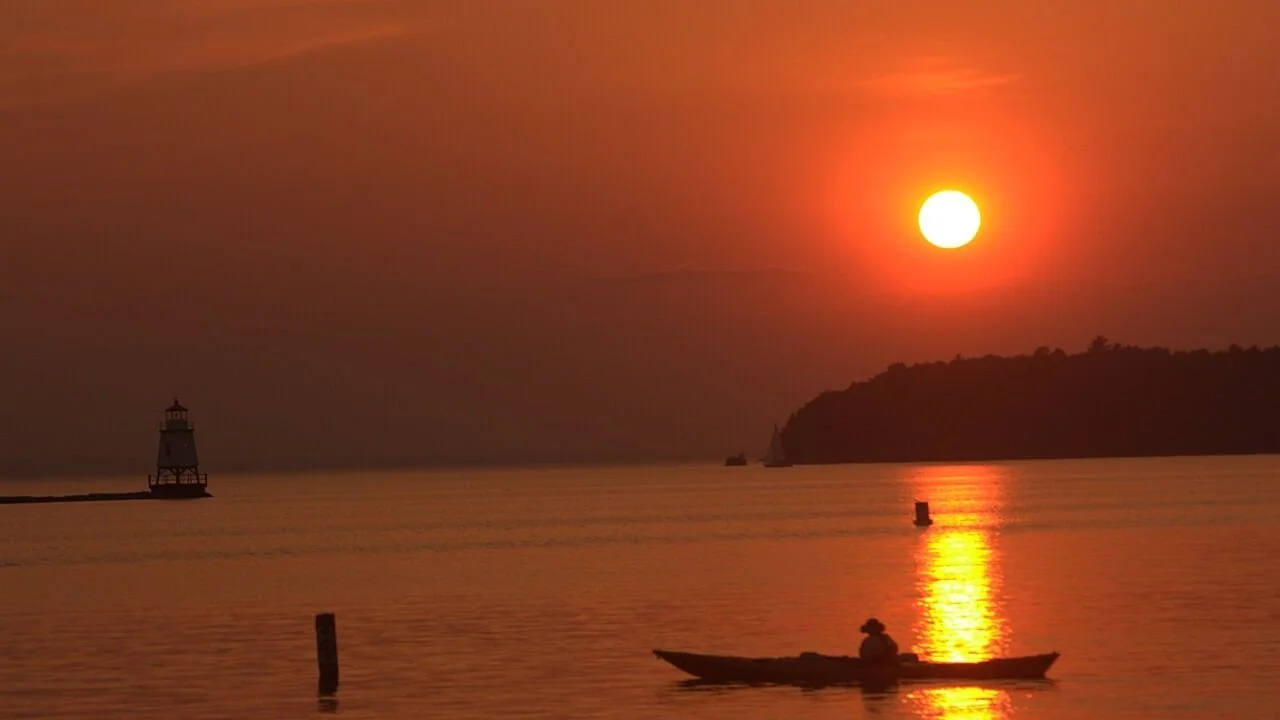
Lake Champlain fishing offers access to over 80 fish species across 120 miles of water that stretches between Vermont and New York. Smallmouth bass, largemouth bass, lake trout, landlocked Atlantic salmon, walleye, northern pike, and panfish all call this lake home. And the best part? No lottery system limits entry, no guide rule blocks independent anglers, and more than 500 miles of shoreline means there is room to fish without fighting for space.
But here is the thing. Showing up without a plan is a fast way to waste a trip. The regulations, the seasonal patterns, the gear, the license situation... it all matters. Especially for first-timers who have never dealt with a body of water this size.
So before loading up the truck and heading to Alburg or anywhere else on the lake, here is everything worth knowing.
The Fish You Can Actually Expect to Catch
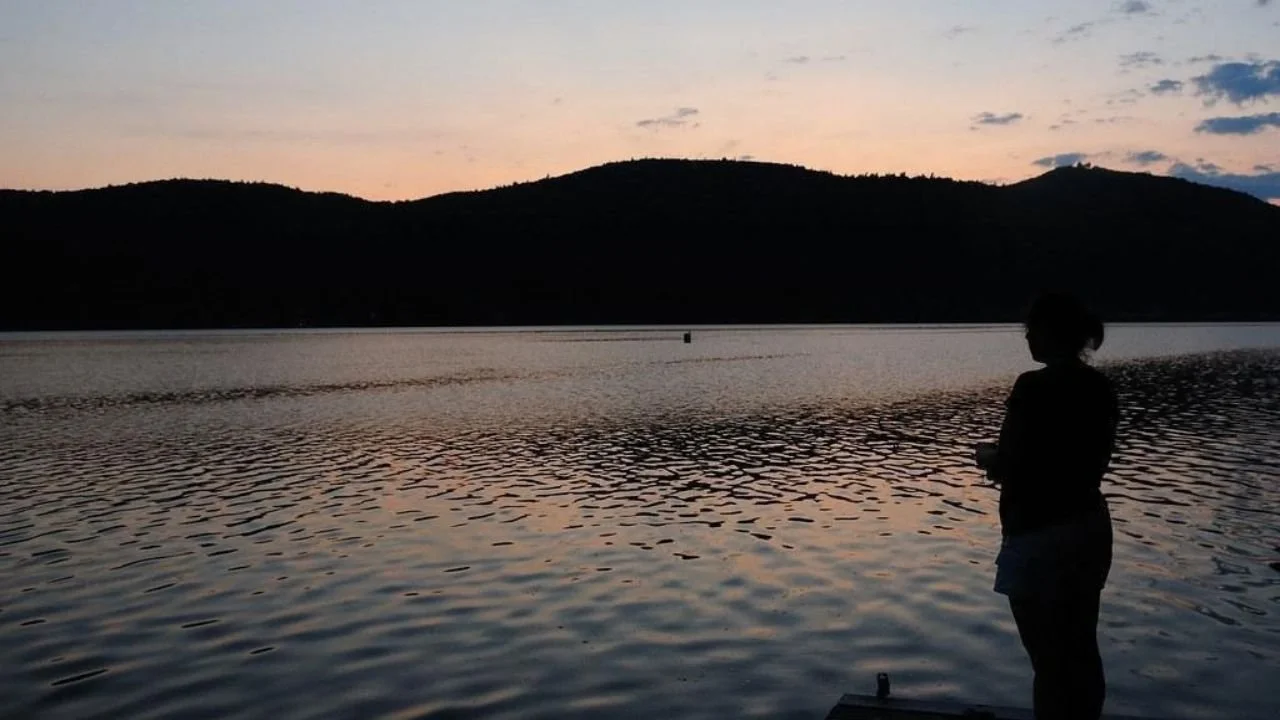
Lake Champlain is not a one-species lake. That is what makes it special. Depending on the season, the method, and the depth, anglers can target a surprisingly wide range of fish.
Smallmouth bass are the headliners. They are the signature species on Champlain, and for good reason. Average fish run 2 to 4 pounds, but bigger smallmouth regularly push past 5 pounds. Rocky shoals, points, and boulder fields in 8 to 25 feet of water hold the best fish. The Bassmaster Elite Series has held events here, which tells you something about the quality of this fishery.
Largemouth bass prefer the warmer, shallower bays and weedy structure. Best action tends to happen in sheltered coves and weed-lined areas, particularly during summer.
Lake trout are native to Champlain, and stocking programs run by both Vermont Fish & Wildlife and NYSDEC have brought populations back to solid fishable levels. Deepwater jigging and downrigger trolling in the main basin are the go-to methods.
Landlocked Atlantic salmon are probably the most exciting seasonal fishery the lake offers. Spring and fall are peak windows, and salmon also run into tributary streams in autumn, which is a great opportunity for fly anglers.
Walleye are present but are better treated as a bonus target than the main event. Populations crashed in the late 1980s but have recovered significantly in recent years. Low-light periods around dawn and dusk work best, especially near structure and drop-offs. Missisquoi Bay and the northern sections tend to be the most productive spots.
Northern pike, yellow perch, crappie, musky, and panfish round out the mix. Perch fishing gets particularly hot during winter ice fishing season, and crappie start stacking in shallow bays and backwaters from April onward.
| Species | Daily Limit | Minimum Size | Best Season |
|---|---|---|---|
| Smallmouth Bass | 5 (combined with largemouth) | 10 inches | May through October |
| Largemouth Bass | 5 (combined with smallmouth) | 10 inches | June through September |
| Lake Trout | 2 | 15 inches | Year-round (winter peak) |
| Landlocked Salmon | 2 | 15 inches | Spring and fall |
| Walleye | 3 | 18 inches | May opener through fall |
| Northern Pike | 5 | 20 inches | Fall and winter |
| Panfish (combined) | 50 total (max 25 crappie) | No minimum | Year-round |
Note: Vermont introduced a new combined panfish limit for 2026. Anglers are capped at 50 panfish per day total, with a maximum of 25 crappie within that count. Selling crappie caught in Vermont waters is now completely banned.
When Is the Best Time for Lake Champlain Fishing?
Short answer: spring and fall deliver the most consistent action across species. But the "best" time really depends on what fish you want to target.
Spring (May to early June) is when Lake Champlain fishing truly wakes up. Post-ice smallmouth bass get aggressive as water temperatures climb into the mid-60s. Walleye season opens the first Saturday in May after their spawning closure, and the weeks immediately following that opener can produce excellent catches near tributary mouths. Crappie start moving into shallow bays as early as April. Keep in mind that bass are catch-and-release only from the second Saturday in April through the second Saturday in June statewide.
Summer (late June through August) shifts the game. Bass smash surface lures before breakfast, and the topwater action early and late in the day is something else. Weed beds, docks, and shaded coves become the spots. Lake trout move deeper, so downrigger trolling becomes essential. Summer fishing on Champlain is best during low-light periods. The midday hours can slow things down considerably.
Fall (September through October) might be the most underrated window. Salmon run into tributaries, northern pike get active, and bass feed aggressively before winter sets in. Fewer anglers are on the water too, which means less competition for the good spots. For anyone planning a fall getaway to the Champlain Islands, the fishing and the foliage make a surprisingly good combination.
Winter (December through March) brings ice fishing, and Champlain does it differently. Vermont allows up to 15 lines through the ice on Lake Champlain, which is way more than the 8-line limit on other Vermont waters. Yellow perch, walleye, pike, and panfish are the primary targets. Just make sure to check ice conditions carefully. Minimum 4 inches of solid ice for walking, 8 to 12 inches for any kind of vehicle.
Licenses, Regulations, and What First-Timers Get Wrong
Here is where people trip up. Lake Champlain sits on the border of two states, so the licensing situation has some nuance.
The good news? Vermont and New York have a reciprocal fishing agreement. Anglers holding a valid fishing license from either state can fish most of the big lake without needing a second license. When fishing on the Vermont side, follow Vermont rules. On the New York side, follow New York rules. Simple enough in theory, but worth double-checking before you go.
Key license details for Vermont:
Age 15 and older need a valid fishing license
Under 15 fish for free, no license required
Resident annual license costs around $28
Non-resident annual license runs about $54
Short-term options include 1-day and 7-day permits for visitors
Free Fishing Days happen on the second Saturday in June and the last Saturday in January
Digital licenses are available through Vermont Fish & Wildlife and process instantly
New for 2026: A free Baitfish Endorsement (online quiz) is required if collecting your own baitfish
There is no reciprocity between Vermont and Quebec, Canada. So anyone visiting from north of the border needs a Vermont license specifically.
Always verify current regulations with Vermont Fish & Wildlife or New York DEC before heading out. Rules can shift between seasons, and special waterbody regulations may apply to specific tributaries.
Gear and Methods That Work on Champlain
Lake Champlain fishing rewards versatility. The lake is big enough and diverse enough that no single setup covers everything.
For bass, 15 to 20 pound braid works well in most situations, paired with fluorocarbon leaders when water clarity is high or zebra mussels create abrasion risk. Soft plastics, jigs, crankbaits, and topwater lures all produce depending on conditions.
For lake trout and salmon, trolling gear with downriggers is the standard approach in deeper water. Jigging spoons work well too, especially for lake trout over structure.
For walleye, jig-and-minnow setups, crawler harnesses, and trolled crankbaits are the classic presentations. Focus on low-light periods around rocky points and submerged structures.
For shore fishing, plenty of access points exist along the 500-plus miles of shoreline. A medium-action spinning rod with a variety of soft plastics and live bait covers most situations.
An updated chartplotter or fish finder makes a real difference on a lake this size. Champlain has complex bottom contours, and knowing where the drop-offs, humps, and weed edges are saves a lot of guessing.
Why the Champlain Islands Make a Great Base Camp
Staying close to the water matters when fishing is the main event. The Champlain Islands region, particularly around Alburg, puts anglers right on the lake with direct water access, dock space, and some of the best fishing bays on the entire shoreline. Cottage-style stays let fishing groups settle in for a few days without the hassle of driving back and forth from a distant hotel.
Isle View Cottages in Alburg offers lakefront rental cottages with water access, a dock for fishing, and one of the best fishing bays on Champlain just steps from the front door.
Having the water just steps from the door means more time fishing and less time commuting to a launch, as several boat launches are within 2 miles. And beyond the fishing, the area itself offers a quieter pace. Sandy beaches, walking trails, scenic bike routes, and Burlington and Montreal both within about an hour for a change of scenery when needed.
For a full list of local attractions, restaurants, and activities beyond fishing, check out the complete guide to things to do and places to go in the Alburg area.
FAQs
Do you need a fishing license for Lake Champlain?
Yes. Anyone 15 or older needs a valid fishing license from either Vermont or New York. Thanks to a reciprocal agreement, a license from either state covers most of the lake. Children under 15 can fish without a license.
What is the most popular fish in Lake Champlain?
Smallmouth bass are the most targeted species. The lake regularly produces fish in the 2 to 5 pound range and has hosted major national bass tournaments. Lake trout and landlocked salmon are also hugely popular, especially among trolling anglers.
Can you fish Lake Champlain from shore?
Absolutely. With over 500 miles of shoreline and numerous public access points, shore fishing is very doable. Tributary mouths, rocky points, and shallow bays are productive spots for bank anglers targeting bass, walleye, pike, and panfish.