
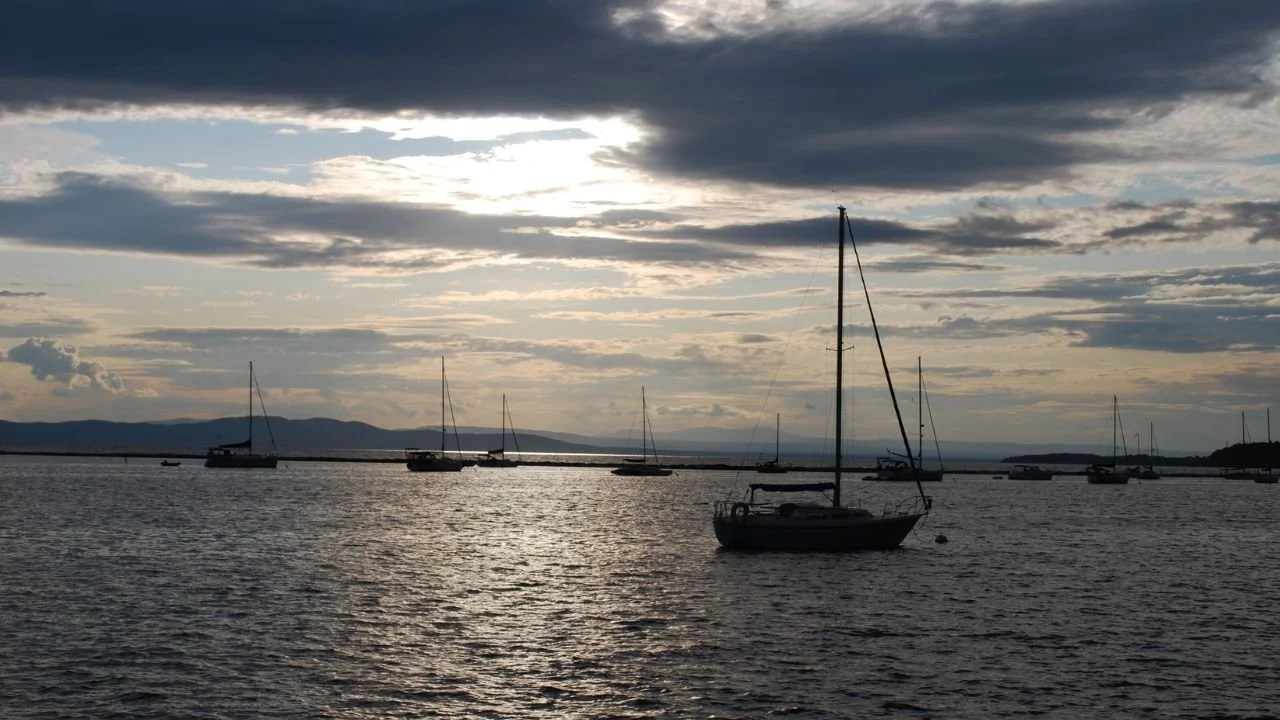
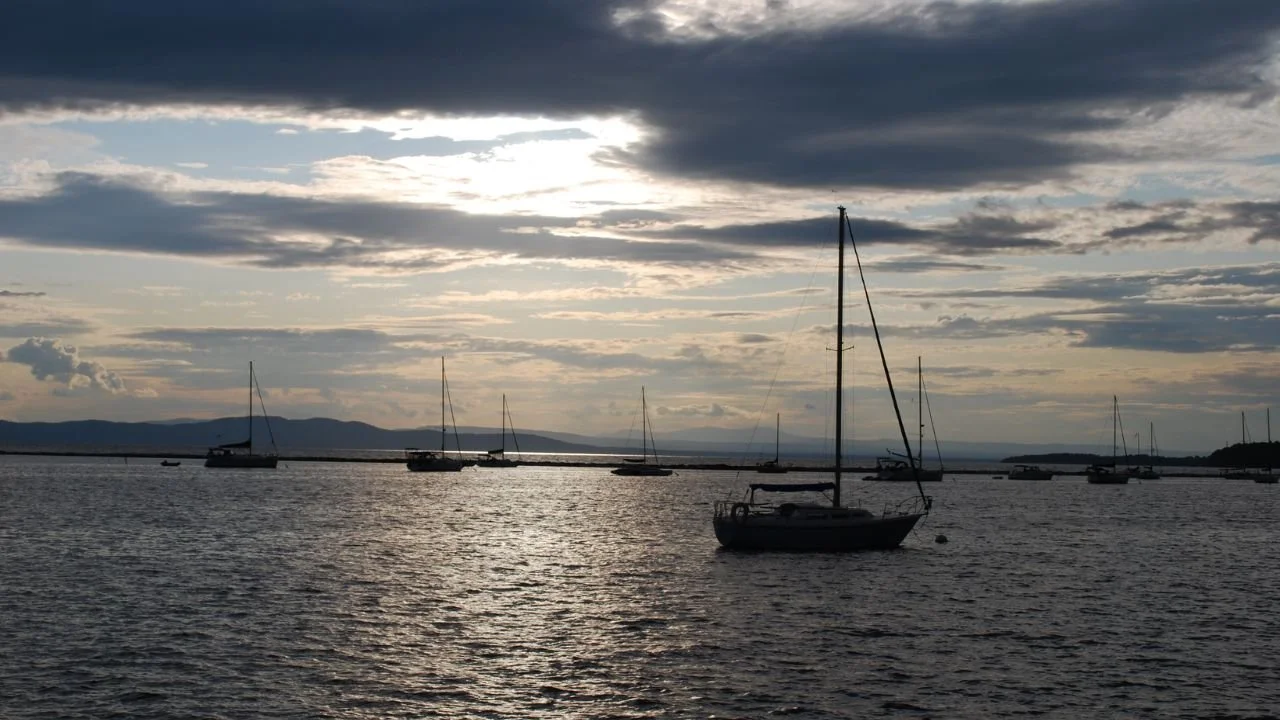
Short answer: Beginners should know that boating on Lake Champlain requires a boating safety certificate in both Vermont and New York, that weather on this 125-mile lake can shift fast, and that the rules change depending on which side of the lake you're on. It's not a small pond. It's practically an inland sea with three separate jurisdictions.
That quick answer covers the basics. Here's the full breakdown.
The Lake Is Bigger Than Most People Expect
Here's the thing about Lake Champlain. People hear "lake" and picture something you can see across. Not this one. Lake Champlain stretches 125 miles long and covers 435 square miles of surface area. Parts of it reach depths of 400 feet near the Adirondack shore. It borders Vermont, New York, and even touches Quebec, Canada at the northern end.
It's a freshwater lake of unusual scale for the interior Northeast, large enough to produce its own weather patterns, generate significant wave action when wind develops, and present navigation challenges that smaller lakes just don't create.
That means boating on Lake Champlain isn't quite the same as puttering around a little pond in someone's backyard. The lake demands respect, especially from beginners. But the payoff? Stunning mountain views on both sides, sheltered bays, sandy coves, and enough open water to make every trip feel like a proper adventure.
Safety Certificates Are Not Optional
This part trips people up, so pay attention.
The rules come from two states, and they're slightly different.
Vermont: A boating safety course is required for any motorboat operator (12 years of age or older) born after January 1, 1974. That certificate must be carried while operating the boat. Nonresidents of Vermont can use their own state's NASBLA-approved boating safety certificate, so if a course was completed elsewhere, that works just fine.
New York: As of January 2025, every motorboat operator in New York State is required to carry a valid boating safety certificate, regardless of age. This is the result of Brianna's Law. And since Lake Champlain straddles both states, it applies to Vermont boaters who cross into New York's side of the lake.
Here's where it gets practical. A lot of beginners don't realize they're crossing state lines on the water. There's no sign floating out there that says "Welcome to New York." But the regulations still apply. Bottom line: get the safety certificate before heading out. It covers both sides.
Regulations That Actually Matter on the Water
Lake Champlain boating regulations come from three sources: New York State, Vermont, and the U.S. Coast Guard. They don't always match perfectly. Here's a quick comparison of the key rules:
| Rule | Vermont | New York |
|---|---|---|
| Speed near shore | 5 mph within 200 feet | 5 mph within 100 feet |
| Open water speed (daytime) | No general state limit | 45 mph |
| Open water speed (night) | Varies | 25 mph |
| Safety certificate required? | Born after Jan 1, 1974 | Everyone (Brianna's Law) |
| Kayaks/canoes need a certificate? | No | No |
And these are the essentials every boat needs to carry, regardless of which side:
U.S. Coast Guard-approved PFDs (life jackets) for every person on board
A sound-producing device like a horn or whistle
Fire extinguisher (depends on vessel type and size)
Vessels 16 feet or longer must also carry at least one Type IV throwable PFD, such as a ring buoy, that is immediately accessible
Navigation lights for any boating between sunset and sunrise
Skipping any of these isn't worth the risk. Not just because of fines, but because Lake Champlain conditions genuinely demand them.
Weather Changes Faster Than You'd Think
This is probably the single most underestimated factor for beginners. What's a calm morning can become whitecap conditions within 90 minutes as afternoon thermal winds develop. That's not an exaggeration.
Whitecaps are a clear sign of dangerous conditions on the lake. Waves can overturn your boat (especially canoes), make it difficult to turn, prevent you from holding course, and slow or stop your progress.
Some practical weather tips for beginners:
Always check the NOAA marine forecast before heading out
A VHF marine radio or weather-capable device for real-time NOAA monitoring is advisable for any motorized or sailing day on the main lake
On windy days, stay along the shore
File a "float plan" with a friend or family member on land and keep them updated
Mornings are generally calmer. Afternoon winds are the ones that catch people off guard
Also worth knowing: water temperatures in spring sit around 55 to 65 degrees Fahrenheit in May and June, which creates a real hypothermia risk if someone falls in. By July and August, surface temps reach the high 60s to low 70s, which is much more comfortable. But early season? Wear that life jacket. No exceptions.
The Champlain Islands: A Calmer Starting Point
Not all of Lake Champlain is wide-open and intimidating. The northern section, particularly around the Champlain Islands (Grand Isle, North Hero, Isle La Motte, and the Alburg peninsula), offers something completely different.
The lake's narrow sections, particularly the passages between the Champlain Islands in Vermont and both shorelines, are significantly calmer and better suited to kayaking and paddleboarding than the main channel on windy days.
For beginners, this is a huge advantage. The sheltered bays and protected coves in the Islands region mean gentler water, shorter crossings, and a much more forgiving learning curve. It's the kind of spot where someone can build confidence before tackling the broader lake.
The area around Alburg, for example, sits on a peninsula surrounded by Lake Champlain on three sides. Alburg Dunes State Park prides itself on having one of the longest sand beaches on Lake Champlain and is a popular place to launch a paddleboard. Guests staying in lakefront cottages in this area have the added bonus of short drives to boat ramps.
The Champlain Islands area is packed with activities worth exploring, from apple orchards and vineyards to nearby state parks and golf courses. Check out the full list of things to do and places to go in the area to start planning.
Boat Launches and Getting on the Water
There are over 50 public boat launches with access to Lake Champlain, found up and down the lake.
In the Islands and Alburg area specifically, there are several concrete ramp launches including Horicans Access Area, Kelly Bay Access Area, and the Korean War Veterans Access in Alburg, plus Holcomb Bay on Isle La Motte and Keeler Bay in South Hero.
For people who don't own a boat (which is probably most vacation visitors), kayaking is the easiest way in. Kayaking is the most accessible entry point for Lake Champlain water activity, with no launch fee and no registration required in most cases for self-powered craft. Several state parks in the Islands rent kayaks and canoes as well.
Protecting the Lake: Clean, Drain, Dry
One more thing beginners need to know, and it's surprisingly important. If you bring your own boat, kayak, or paddleboard from another body of water, follow the Clean, Drain, Dry protocol to protect the lake. Invasive species cause real problems for Lake Champlain.
The steps are simple:
Clean off any visible plants, animals, or mud
Drain all water from every compartment, bilge, and live well
Dry everything completely before launching
Each summer, the Lake Champlain Basin Program staffs many of the boat launches with stewards who conduct courtesy inspections of boats to identify and remove invasive species. Don't be surprised if someone checks the boat at the ramp. It's a good thing.
Why This All Matters for a Lake Champlain Vacation
Boating on Lake Champlain is one of the best parts of visiting the region. But having a home base right on the water makes the whole experience easier, especially for beginners. Waking up, walking down to the water, launching a kayak from the beach. Driving a short distance to one of many public boat ramps and launching your boat for a day on the water.
That's the beauty of staying in lakefront cottages in the Champlain Islands. The water is right there. The bays are calm. And the sunsets over the lake from the Vermont side are, quite frankly, spectacular.
For a closer look at what's available, browse the lakefront rental cottages at Isle View and find one that fits the trip.
FAQs
Do you need a license to go boating on Lake Champlain?
Not a license exactly, but a boating safety certificate is required. In Vermont, anyone born after January 1, 1974 needs one to operate a motorboat. In New York, it's required for all motorboat operators regardless of age under Brianna's Law. Kayaks and canoes are exempt.
Is Lake Champlain safe for beginner boaters?
Yes, but it depends on where and when. The sheltered bays and narrow passages around the Champlain Islands are much calmer and more beginner-friendly than the wide-open main lake. Checking weather conditions before heading out is essential because conditions can shift quickly.
What is the best time of year for boating on Lake Champlain?
Mid-June through September is the sweet spot. Water temperatures are warmest (high 60s to low 70s) in July and August, and weather is generally most stable during this window. Late spring boating is possible but carries cold water risks.
Are there boat rentals available near the Champlain Islands?
Yes. Several state parks and local outfitters in the Grand Isle and North Hero area offer kayak and canoe rentals during the summer season. For motorboat rentals, marinas in North Hero are the closest options.